“When the enemy is close at hand and remains quiet, he is relying on the natural strength of his position.”
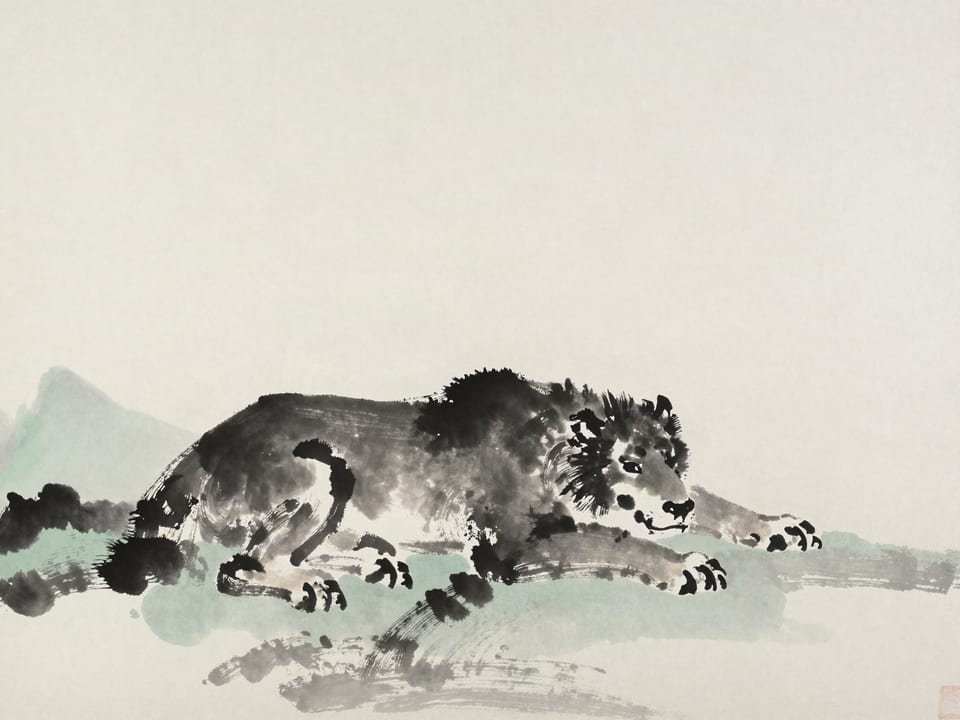
A calm nearby foe is calm because his position is strong; do not mistake stillness for weakness.
Chapter 9’s observation catalogue begins with presence: when the enemy is close at hand and remains quiet, he is relying on the natural strength of his position. The verse teaches the counter-instinct — stillness at close range is not inactivity but confidence. An enemy who could hurt you and doesn’t is telling you, in the clearest signal available, that his ground does the hurting for him.
A startup dismisses the giant’s silence in its niche — "they don’t even respond to us" — and pushes into the enterprise segment. The giant’s quiet holds for a year while the startup burns capital educating the market. When the push finally threatens the giant’s renewal base, the response is one clause in the master agreement: bundling. The stillness was never absence; it was position, and position moves slowly until it moves completely.
Quiet can also be death — companies are sometimes silent because they are genuinely gone, and Chapter 9 elsewhere lists the signs (dust, birds, drinking) for distinguishing. The specific signal here is proximity plus calm: near enough to act, choosing not to. Read the whole tableau, never one sign; Sun Tzu’s observers diagnose from patterns, not single cues.