“To fight and conquer in all your battles is not supreme excellence; supreme excellence consists in breaking the enemy’s resistance without fighting.”
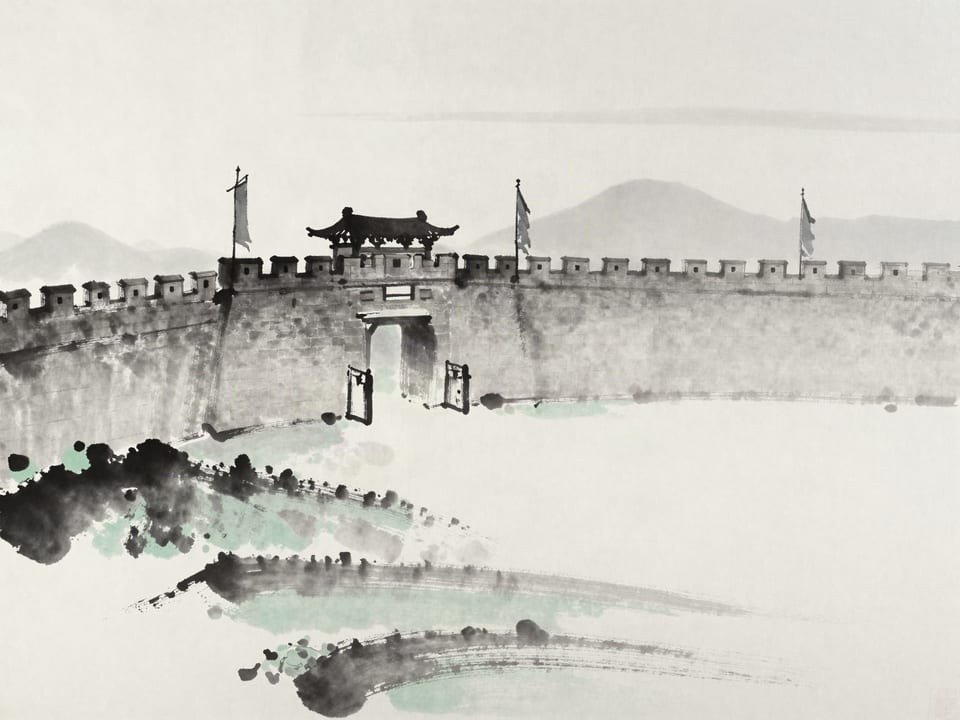
The best outcome is not beating the opponent; it is making the fight unnecessary. Through positioning, incentives, and reputation, you can achieve your goal without the cost and damage of open conflict. This is the peak of strategy.
Chapter 3 opens by ranking victories, and this is the top of the ladder: to subdue the enemy without fighting is the acme of skill — above winning battles, above capturing cities, far above besieging them. The ranking is economic before it is moral. Every rung down the ladder spends more of your own force for the same prize, so supreme excellence is simply the best return on power.
A company wants a market standard changed. Option one: litigate and lobby for years, buying the change with cash and goodwill. Option two: build the product so much better that the market moves on its own and the old standard dies of irrelevance. The second company never fights the incumbent — it repositions the ground until the contest the incumbent prepared for never occurs.
It does not mean conflict can always be avoided, and Sun Tzu never says the strong should lie down. It means exhausting every form of positioning — alliances, standards, ground, perception — before committing force, because the fight you do not have is the only one with a guaranteed zero cost. Fighting is the fallback of strategy, not its proof.