“In the practical art of war, the best thing of all is to take the enemy’s country whole and intact; to shatter and destroy it is not so good.”
Victory that destroys what you were fighting for is defeat in disguise. Sun Tzu ranks taking assets intact above crushing them. In business, an acquisition that preserves a team and brand is worth more than a scorched-earth win.
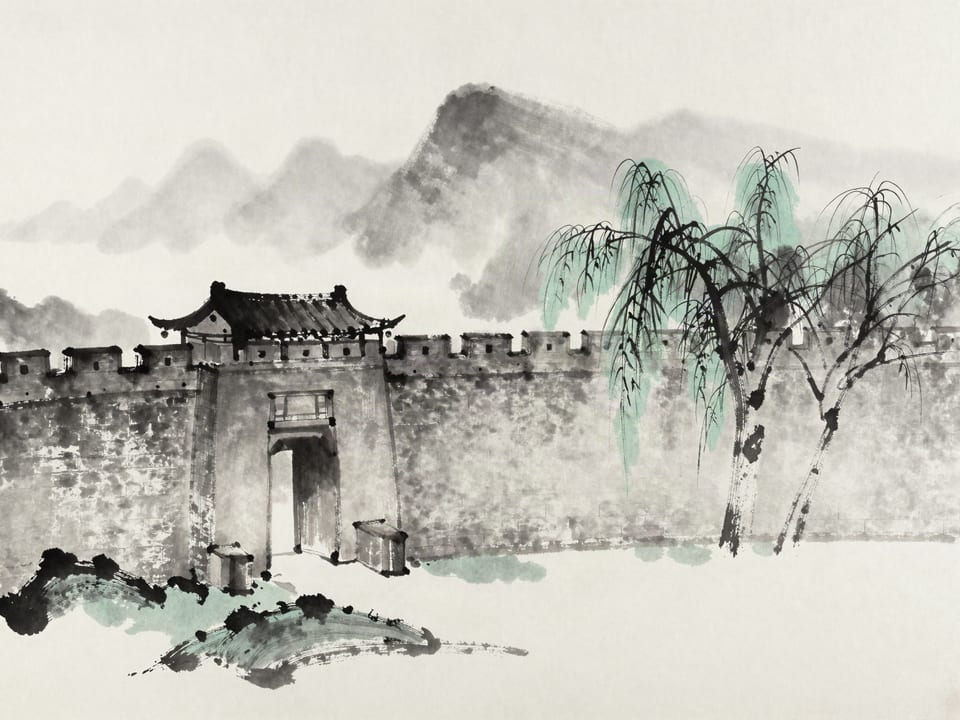
Chapter 3’s ranking of victories continues at the scale of the state: the worst policy is to attack walled cities, the best is to take the state whole and intact. The reasoning runs through the entire book — the object of victory is the value on the other side of it. Destroy the towns, the fields, the people’s capacity, and you have conquered a ruin that must now be rebuilt at your expense.
An acquirer buys a boutique agency mostly for its senior team and client relationships, then replaces its leadership in week one to "integrate quickly." The clients follow the departed partners out the door, and two years of retention payments later the acquirer owns a brand and an office lease. The country was taken shattered — the purchase price paid for an intactness the new owner then removed personally.
Intact is not a synonym for gentle. Sun Tzu is explicit that parts may have to go — docks burned, divisive factions removed — for the whole to survive. The principle is about preserving the value you are fighting for, which sometimes means being unsentimental about exactly the pieces that threaten it.