“Heaven signifies night and day, cold and heat, times and seasons. Earth comprises distances, danger and security, open ground and narrow passes.”
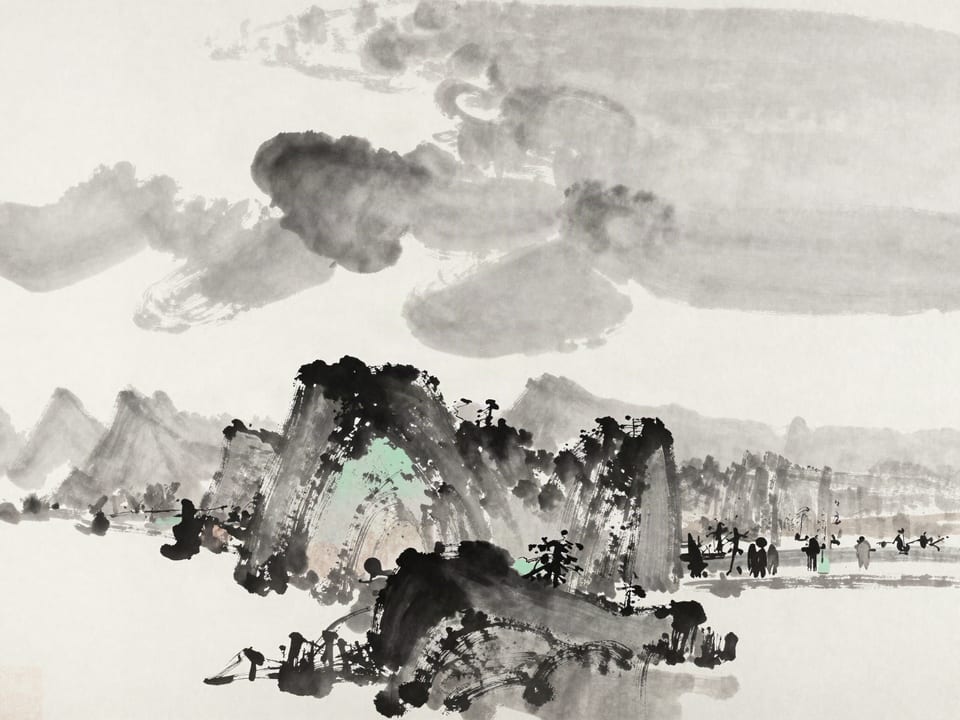
Timing and terrain shape outcomes as much as skill; ignore weather and ground and you fight at a disadvantage.
Factors two and three of the five arrive as a pair: Heaven is time — night and day, cold and heat, seasons — and Earth is space: distance, danger, open ground, narrow passes. Together they define everything about the contest you did not choose. Sun Tzu lists them second because no amount of the other factors rescues a plan that argues with the clock or the ground.
A retailer expands with the same store format into two regions. In one, the format matches the season — climate, foot traffic rhythms, local holidays; in the other, the identical playbook fights all three. Same capital, same training, same discipline: the second region bleeds. When the post-mortem says "execution," it usually means Earth was never read — the environment was treated as neutral when it was the opponent’s best general.
Reading the environment is not obeying it fatalistically. Heaven and Earth constrain everyone — including the other side — which makes them playable: winter that halts your logistics also halts his, and a narrow pass that blocks your advance can be the place his advance dies. The factors are fixed; positions within them are not.