“The general who wins a battle makes many calculations in his temple ere the battle is fought. The general who loses a battle makes but few calculations beforehand.”
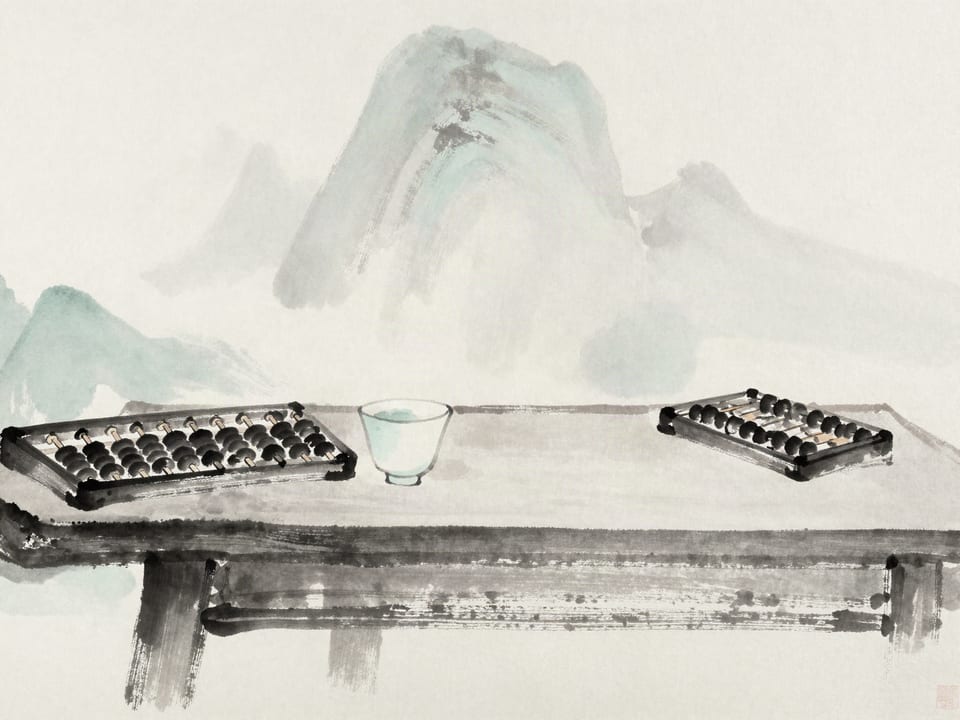
Victory is decided in planning, not in the moment of contact. The person who thinks through scenarios, resources, and risks in advance wins; the person who improvises under pressure loses. Calculation is the quiet work that precedes confident action.
Chapter 1 ends where it began, but with the argument completed. It opened by asking which sovereign is stronger, which general more able — the seven comparisons — and closes by naming where that comparison happens: in the temple, before the army marches. 多算胜,少算不胜. The chapter’s quiet claim is that battles are decided in the planning room and merely collected on the field.
Two agencies pitch the same client. One rehearses the client’s stated decision criteria, prices against the rival’s known rates, and writes down its walk-away number beforehand. The other brings energy and improvises the numbers in the room. From the client’s chair the pitches look equally polished — but the first agency already knew what it would accept, so the negotiation was over before the meeting started.
This is not an argument for analysis paralysis. Temple calculation has a deadline — before the battle — and an output: a decision. Planning that never terminates is its own form of losing, because Sun Tzu’s many calculations are made precisely so that action, when it comes, is unhesitating.