“Ground reached through narrow gorges, from which we can only retire by tortuous paths, is hemmed-in ground; on hemmed-in ground, resort to stratagem.”
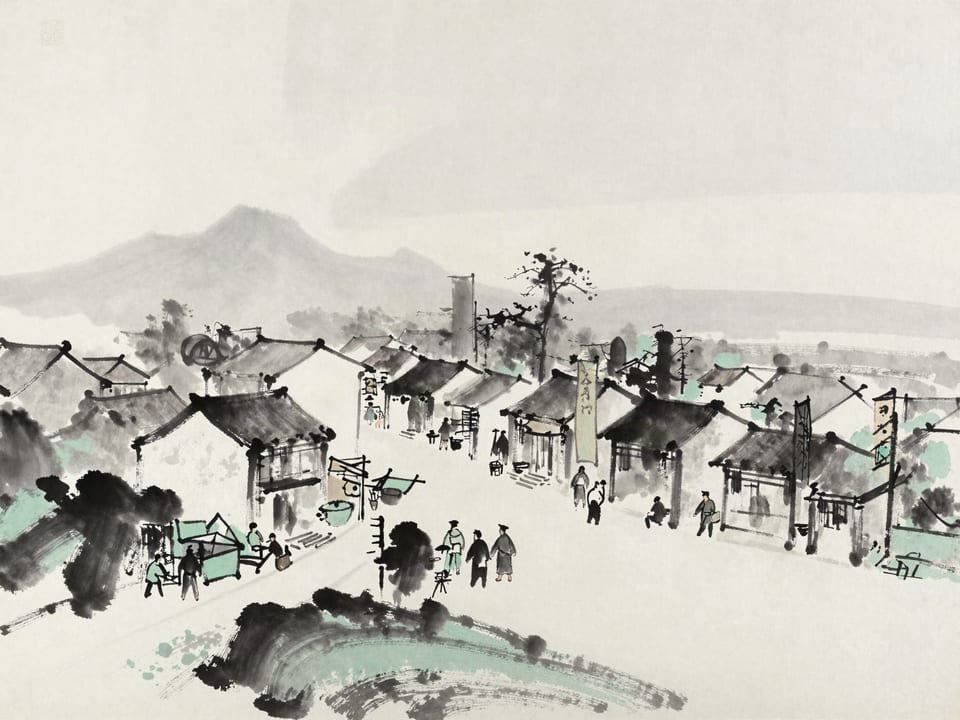
When retreat is hard, force cannot save you; only stratagem and deception can open the way.
Chapter 11’s definition-list turns bleak: ground reached through narrow gorges, retire only by tortuous paths — hemmed-in ground; on hemmed-in ground, resort to stratagem. The rule follows from the geometry. Where force has no room to maneuver and retreat costs as much as advance, the only remaining weapon is the enemy’s misperception of your position.
A mid-size vendor discovers its flagship product is trapped: three-year exclusivity with a dying channel partner, tortuous exit clauses, and a direct competitor dominating the open market. Brute-forcing the exit means litigation that consumes the company. The stratagem: it quietly certifies its product on the channel partner’s larger rival, lets the dying partner sell its exclusivity back at a discount as part of its own wind-down, and exits through a door the contract never mentioned.
Resorting to stratagem is not resorting to deceit as a lifestyle — it is the specified remedy for specified ground, and the stratagem still must be legal, ethical, and effective. The misreading enjoys the corner and stays for the scheming. Sun Tzu’s order of preference is visible in the chapter: avoid the ground if you can, and use cunning to escape or invert it if you cannot.