“Raising a host of a hundred thousand men and marching them great distances entails heavy loss and a drain on the resources of the State.”
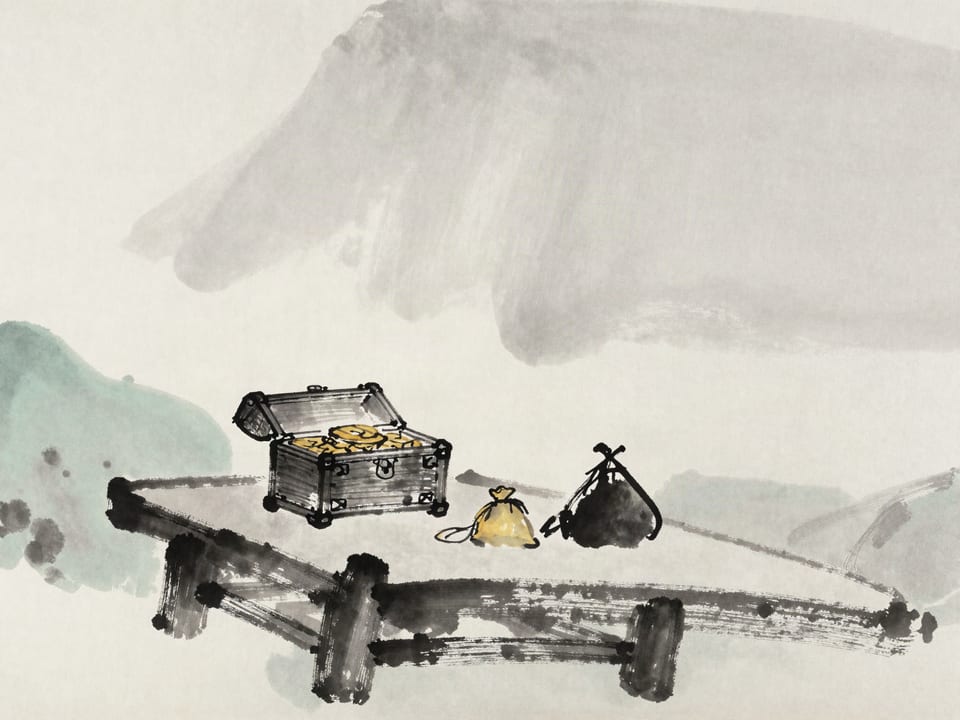
Large efforts are expensive; ignorance of the enemy multiplies that cost needlessly; information is cheaper than blood.
The final chapter opens with arithmetic: raising a host of a hundred thousand men and marching them great distances entails heavy loss and a drain on the resources of the State. Sun Tzu prices the blind campaign before mentioning spies at all — the cost of not knowing is a hundred-thousand-man error. The chapter is the book’s last and most practical argument: information is not a luxury line item; it is the hedge on your largest one.
A company spends $40M building and marketing a product for a market segment it never visited — assumptions about buyers, pricing, and regulation all imported from headquarters. The segment rejects it; the write-down is total. A rival spends $400K on a year of field research before entering the same segment and declines the opportunity — the intelligence said no. Same market, same era: one firm bought its knowledge after failure, at a hundred-to-one markup, and one bought it before, at the list price.
The verse is not a brief for infinite research — the hundred-thousand-man cost belongs to the already-decided campaign; the intelligence spend is bounded by what the decision is worth. The discipline is comparative pricing: what does acting blind cost, what does knowing cost, and is the gap positive? It almost always is, which is why Chapter 13 exists at all.