Readiness turns trouble into escape.

Written and edited by Sun Tzu Daily Editorial · our editorial process

Today’s Sun Tzu
“If, in the midst of difficulties, we are always ready to seize an advantage, we may extricate ourselves from misfortune.”
Sun Tzu · The Art of War · Chapter 8: Variation in Tactics
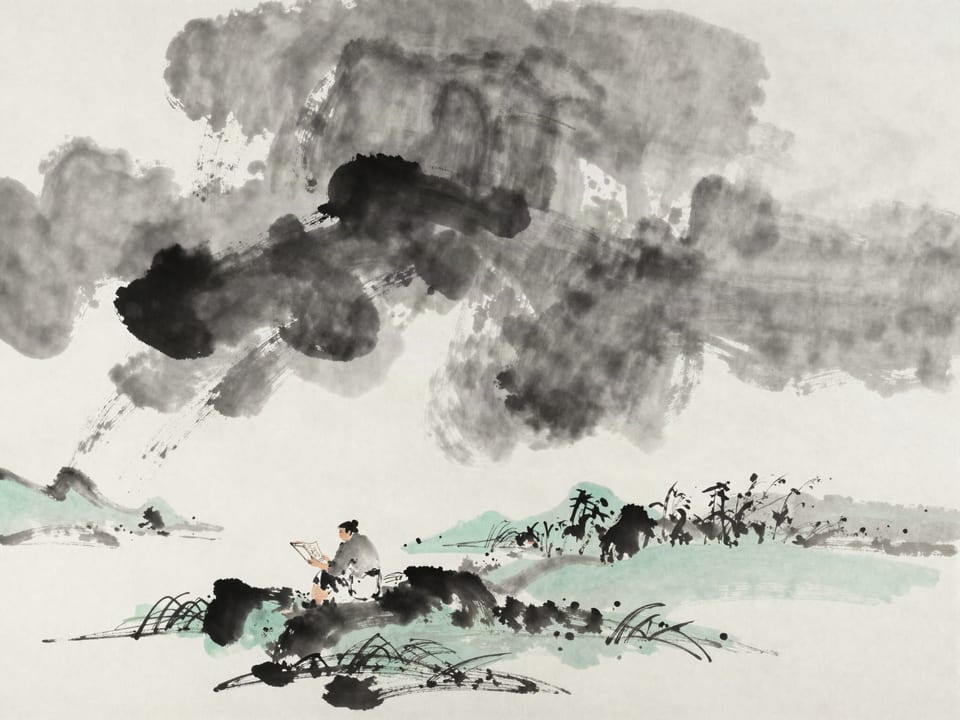
Ink wash painting: A farmer reading the first break in storm clouds to bring in the harvest.
What it means

Even in trouble, a prepared mind can grab the one opening that frees it; readiness is the rescue.

Where this sits in the chapter

Chapter 8’s optimism clause: if, in the midst of difficulties, we are always ready to seize an advantage, we may extricate ourselves from misfortune. The verse completes the chapter’s opening promise — turning misfortune into gain — as a standing readiness rather than a rescue event. Difficulties arrive continuously; the advantage they carry arrives only to those permanently configured to see it.

A modern example

A recall nearly destroys an appliance maker. The always-ready version of the company treats the disaster as a forced audit: every unit tracked, every supplier mapped, every customer now reachable with unprecedented attention. The recall completes; the company keeps the traceability system it was forced to build — and converts it into a premium "provenance" line that competitors cannot copy without their own recall. The misfortune extricated; the advantage seized and kept.

The common misreading

This is not silver-lining positivity — the readiness is logistical, not emotional. The appliance maker seized supply-chain visibility, not a lesson about gratitude. Misfortunes do not automatically gift advantages; they create conditions that only pre-existing capability can harvest. Build the seizure machinery before the storm, or the verse is just a greeting card.

Use it todayStay ready to seize the single advantage hidden in your current problem.
Today’s questionWhat advantage is hidden in the difficulty I am in now?
Chapter 8 · Variation in Tactics

The same lesson in 60 seconds

Readiness is the rescue. This Short explains the Chapter 8 promise that a prepared mind seizes an advantage inside difficulty — most people only see the damage, and the escape route is usually already present in the crisis itself.

October 6, 20260:25YouTube Short

Play the principle

Scout Before You Strike

A 4×4 field hides the enemy’s strength. You may scout four squares — then you must strike one. Information first, commitment second.

XFacebookWhatsAppShare today’s Sun Tzu
Filed under:Sun Tzu on RiskSun Tzu on Decision-MakingChapter 8: Variation in Tactics

Related Sun Tzu lessons

Questions readers ask about this lesson

What does "seize an advantage" mean concretely?

It means having an option ready that the difficulty itself creates. Chapter 8 says that if you are always ready to seize an advantage in the midst of difficulties, you may extricate yourself from misfortune — the advantage is usually already present in the problem: a supplier freed up by a competitor’s failure, a discount created by their retreat, a relationship they neglected.

Is readiness the same as having a fixed plan?

No. A fixed plan is a commitment to one future; readiness is a set of prepared options. The difference shows up in a crisis, where a plan can only produce the outcome it anticipated, while prepared options let you choose the least bad of several available ones.

How do I build readiness in a normal week?

Pre-commit the optionality while nothing is urgent: keep a second supplier qualified, keep the cash buffer that lets you buy a distressed asset, keep the relationship warm with the customer who might refer you. Readiness is expensive when you need it and cheap when you build it.

Watch every lesson as a 60-second video →

← Back to today’s Sun Tzu