“The proximity of an army causes prices to go up; and high prices cause the people's substance to be drained.”
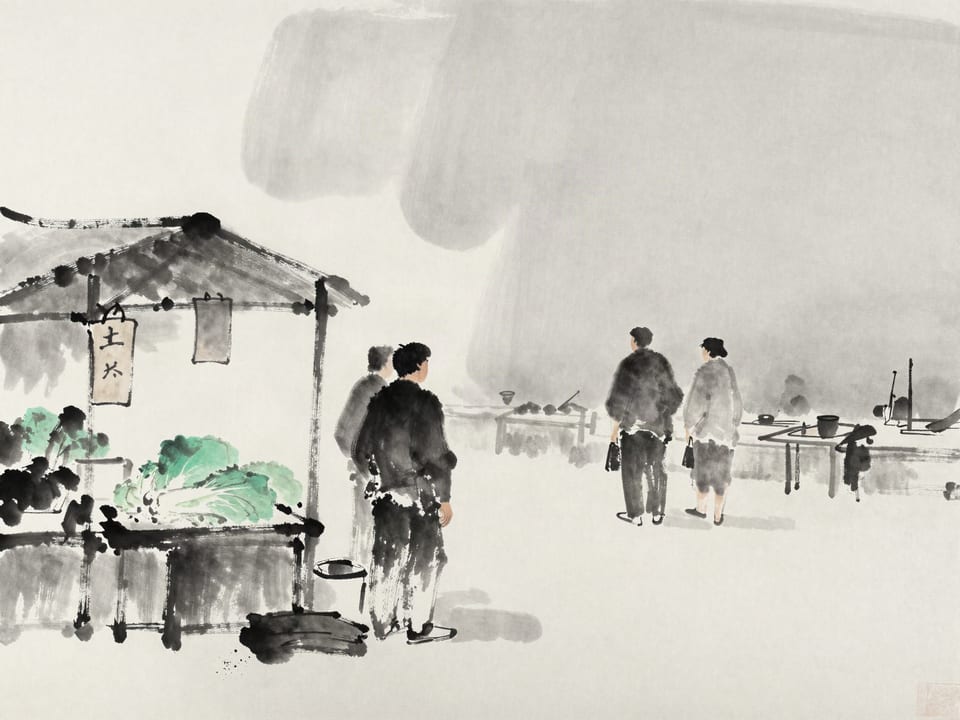
Massed effort sucks up local resources and raises the price of everything nearby; plan for the spillover.
Chapter 2 notices a second-order effect most strategists miss: the proximity of an army causes prices to go up, and high prices drain the people’s substance. The presence of a large concentrated force distorts the market around it — the army becomes its own inflation. Sun Tzu is describing an externality: the cost a strategy imposes on its own supporting economy.
A company declares one priority and organizes everything around it: the best engineers, the budget, the CEO’s attention. Within a quarter, the internal market reprices — every other project now pays a "priority tax" in talent it cannot hire and decisions queued behind the anointed one. Two quarters later the flagship ships, and the post-mortem discovers the quiet carnage in everything that shared its economy.
Concentration is not the sin — Sun Tzu preaches focus throughout the book. The lesson is to price the spillover: a priority that ignores what it does to the price of everything nearby is not concentrated, it is subsidized by an unacknowledged tax on the rest. Real focus budgets for the distortion it creates.