“One cartload of the enemy's provisions is equivalent to twenty of one's own.”
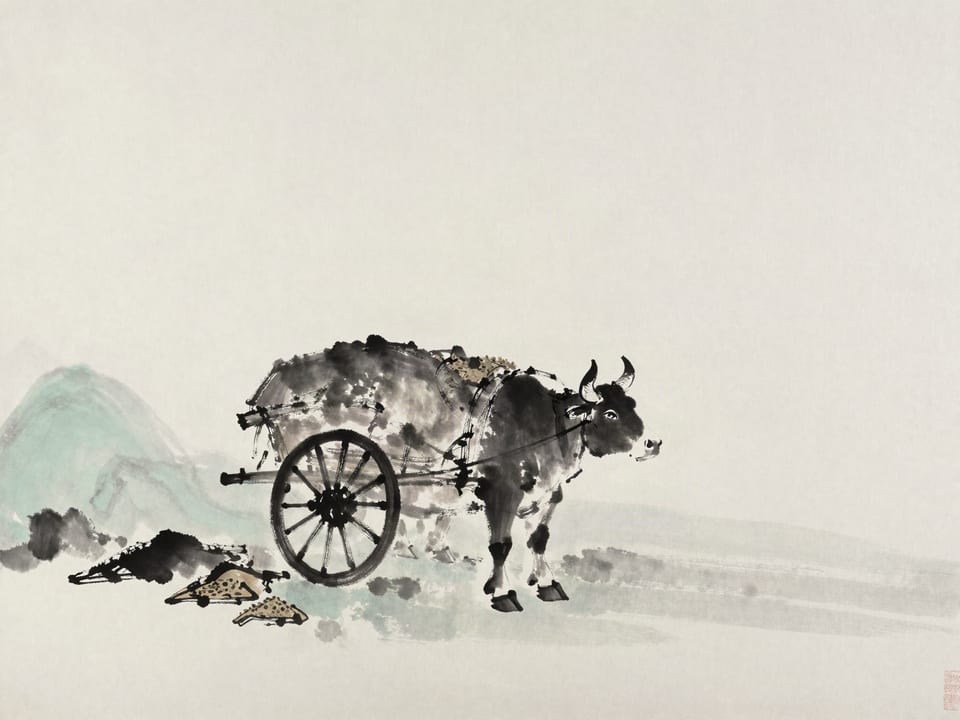
What you take from the opponent multiplies your range far more than what you haul yourself; seek the capture.
Chapter 2 closes its supply argument with an exchange rate: one cartload of the enemy’s provisions is worth twenty of one’s own. The multiple is the arithmetic of distance — twenty cartloads consumed on the road to deliver one — turned into strategy: capture beats carriage. Sun Tzu makes the general an economist of scarcity, choosing where a unit of effort buys the most.
A startup spends heavily to build features its competitor’s users keep requesting — hauling provisions to a foreign market. Then it builds an importer: one command migrates the rival’s data, templates, and settings. Every new customer now arrives pre-provisioned by the competitor’s own ecosystem. The importer cost one sprint; it replaced a marketing budget — the cartload taken beats twenty shipped.
The exchange rate is about logistics, not looting. Sun Tzu’s captured provisions feed the campaign; they do not entitle you to strip the other side bare and call it strategy. In modern terms: absorb what the environment offers — data, tooling, ecosystems, momentum — without destroying the value or the people you will need on the far side of the victory.