“In attacking with fire, one should be prepared to meet five possible developments.”
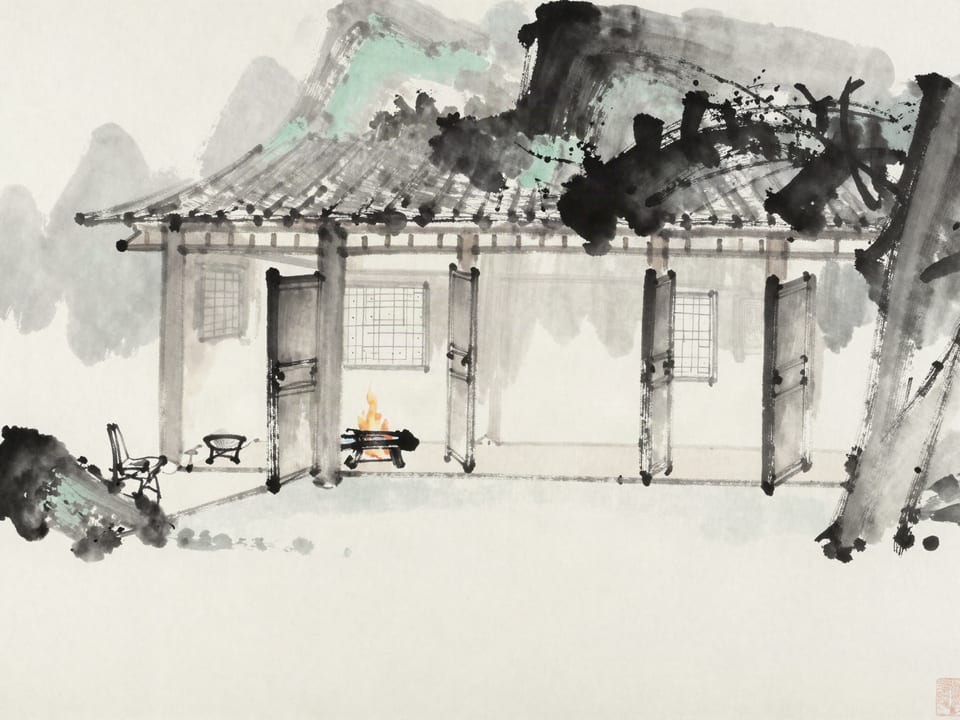
A fire attack unfolds in five ways; prepare for each so none surprises you when it appears.
Chapter 12 insists on consequence planning: in attacking with fire, one should be prepared to meet five possible developments. The verse sits oddly in a strategy classic — it is contingency engineering, not philosophy. But its placement teaches: after choosing the lever and the season, the commander’s next act is imagining the branches, because strikes do not end when they land; they begin developing.
A company publishes a devastating technical takedown of a rival’s flagship security. The piece lands; the rival stumbles. Then the branches arrive unmanaged: the rival patches and claims vindication, the press reframes the takedown as bullying, and an enterprise buyer asks the company for its own audit trail — which was never prepared. The strike succeeded and the campaign failed, because five developments were possible and only one had been rehearsed.
Preparing branches is not planning to fail — the strike still gets thrown at full commitment. It is planning the aftermath tree while the throw is still yours to shape: what does each reaction make possible, and what will I do in each? Strategies without branch-work are not decisive; they are incomplete, wearing decisiveness as a costume.