“Indirect tactics, efficiently applied, are inexhaustible as Heaven and Earth, unending as the flow of rivers.”
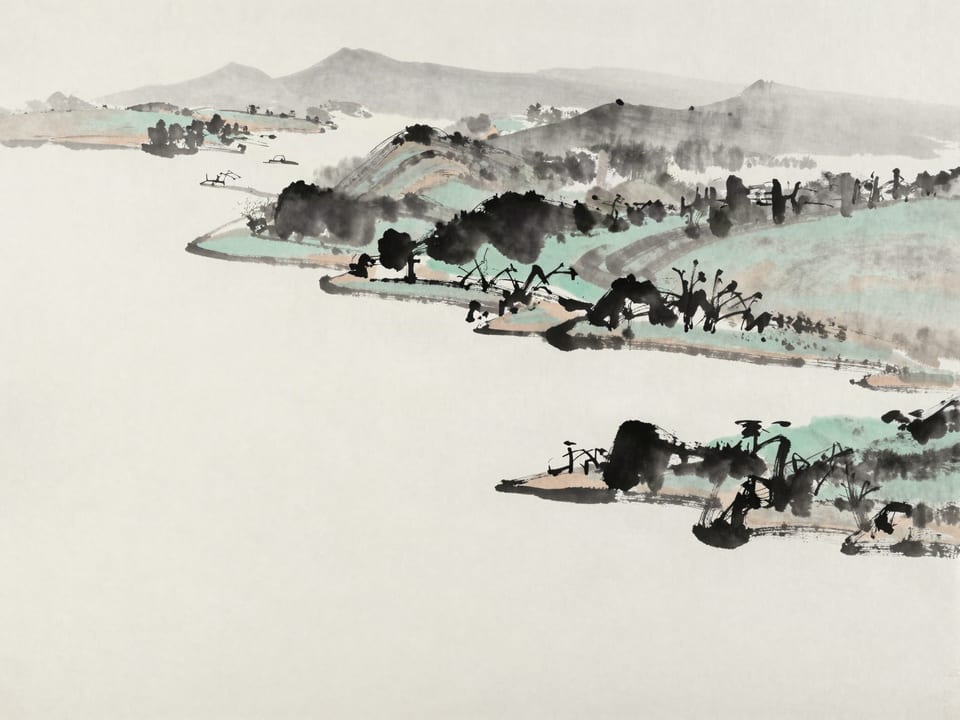
Variation is limitless; a single direct move exhausts, but combinatorial indirectness sustains pressure forever.
Chapter 5 begins defending its central claim with scope: indirect tactics, efficiently applied, are inexhaustible as Heaven and Earth, unending as the flow of rivers. The poetry carries an operational point — the indirect is not a trick you use once but a space you move through, and the number of paths through it does not diminish with use. Only the direct exhausts; only the frontal goes stale.
A chess club player knows one strong opening and loses every rematch — by game three the opponent has prepared for exactly that line. The master plays the same handful of sound ideas from ever-different move orders, and the preparation burden shifts: it is now the opponent who must study infinity before the match, and cannot. Options are not extra plans; they are tax on the other side’s attention.
Inexhaustible options do not excuse never committing — Sun Tzu’s falcon, later in this chapter, strikes once and decisively. Variation is what happens before the hinge, keeping the enemy spread while you choose. The misreading treats flexibility as a permanent lifestyle and never converts it; the rivers reach the sea.