“When his place of encampment is easy of access, he is tendering a bait.”
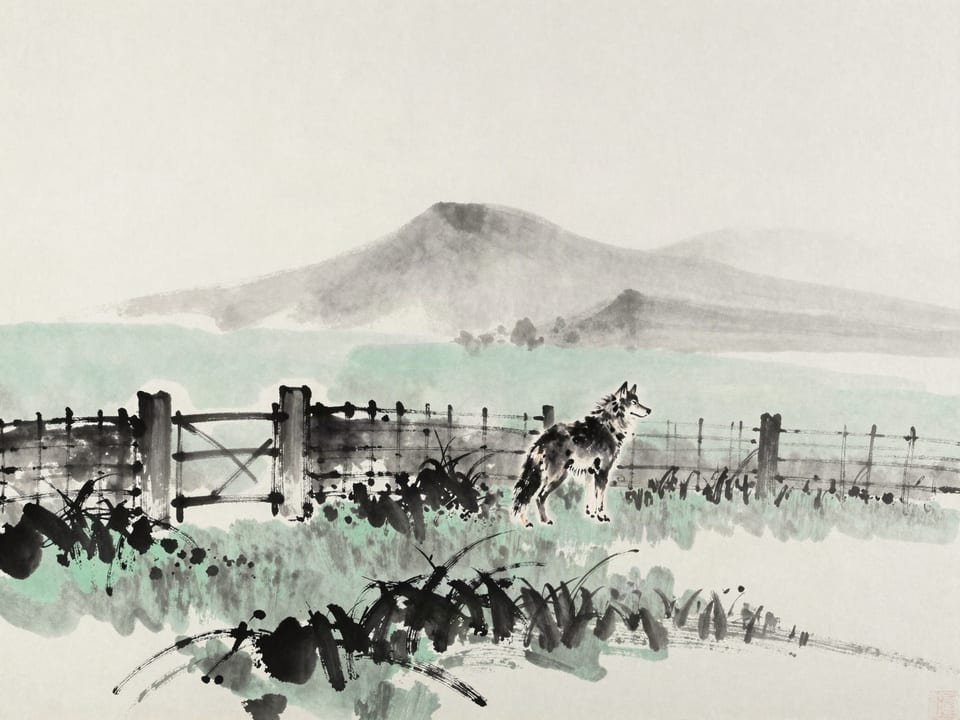
An invitingly open position is usually bait; approach with suspicion, not eagerness.
Chapter 9’s catalogue turns the terrain rule inside out: when his place of encampment is easy of access, he is tendering a bait. The inversion is the lesson — in a book that has spent chapters telling you to find weak points, Sun Tzu now warns that the enemy knows that doctrine too, and can manufacture weakness as display. The undefended thing you were taught to strike may be undefended precisely because you were taught to strike it.
A segment leader "abandons" a mid-market tier — pricing pulled up, sales coverage reassigned, the gap visible in every analyst note. Two challengers rush in to claim it. Eighteen months later the pricing returns, with the leader’s new platform timed to harvest the educated, activated market the two challengers just spent their capital building. The access was easy because it was engineered to be.
Not every opening is a trap — real weak points exist, and Chapter 6’s doctrine remains true. The discriminator is expense: who paid to make this point open? Genuine weakness is accidental and uneconomical to fake; a tendered bait cost something to stage and expects repayment. When an opening looks expensive to have produced, price that in before biting.