“He who exercises no forethought but makes light of his opponents is sure to be captured by them.”
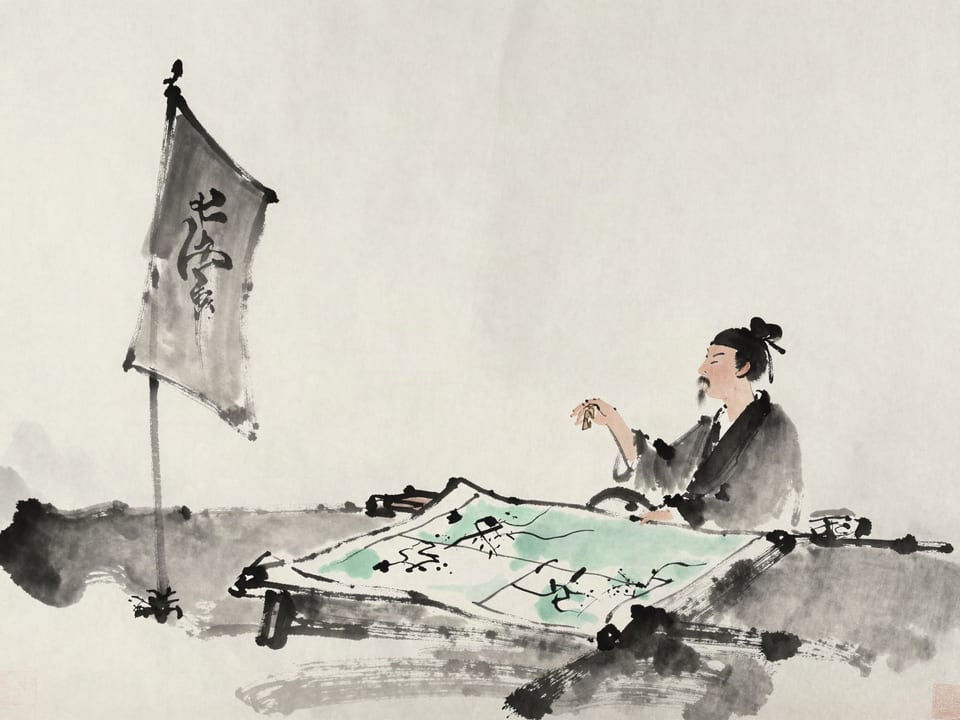
Dismissing the opponent invites the loss; forethought and respect are protective, not soft.
Chapter 9’s observation section ends with a self-directed warning: he who exercises no forethought but makes light of his opponents is sure to be captured by them. Captured — the word reserved for the coward’s fate in Chapter 8. Sun Tzu equates contempt with the gravest command fault, because contempt is a decision made in advance to stop observing. It is the anti-Chapter-9: the chapter taught you to read signs, and contempt blinds you to all of them.
A market leader runs the annual strategy offsite without a single slide about the two-person startup in its periphery — "a feature, not a company." The startup has studied the leader obsessively for two years: pricing psychology, churn reasons, the support gaps. When the disruption arrives, the leader is captured — its options limited, its premium gone — precisely in the moment it had decided not to think about.
Taking opponents seriously is not fearing them — forethought is analytical respect, not emotional deference, and Chapter 1 already ordered you to know the enemy. The verse also cuts toward underestimated allies and smaller customers, anyone beneath the threshold of your attention. The discipline is a list: everyone who could plausibly capture you gets forethought, however small they look today.