“If equally matched, we can offer battle; if slightly inferior, we can avoid the enemy; if quite unequal, we can flee.”
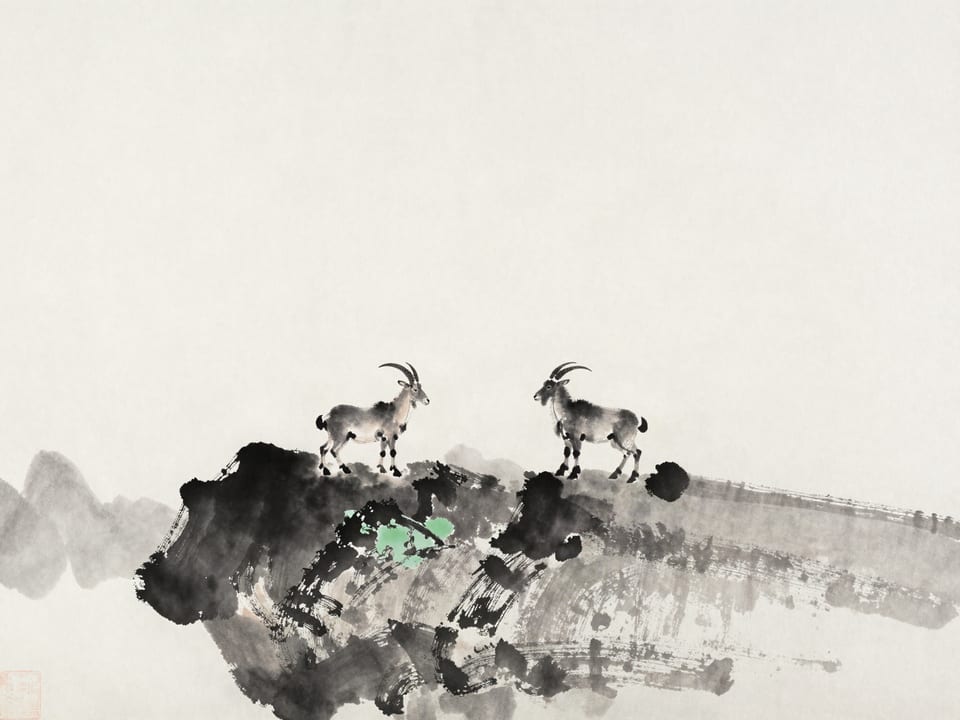
Courage is not the same as folly; retreat or avoidance is sometimes the only rational play.
Chapter 3 completes its ratio table with the losing rows: equally matched, offer battle; slightly inferior, avoid; quite unequal, flee. The shocking word is the last one. In a manual written for the rulers of warring states, Sun Tzu says run — because survival is position too, and an army that flees today exists to choose its ground tomorrow. Pride is listed nowhere in the calculations.
A consultancy keeps a bitter, going-nowhere engagement alive for a year because withdrawing would "look like defeat" — while its two best people burn out holding it. A rival walks away from the same kind of engagement in week six, eats the awkward conversation, and deploys those months into the client relationship that later doubles the firm. One of them fled. It was the correct verb.
Avoidance is a tactical verb, not a character trait — Sun Tzu is not counseling a life of retreat, and his book prescribes plenty of attacking. The verse simply refuses to let honor book the fight: if the ratio is wrong, the fight is wrong, whatever the story you would have to tell afterward. Courage appears in the list as "knowing when not to fight."