“The general is the bulwark of the State: if the bulwark is complete, the State will be strong; if defective, the State will be weak.”
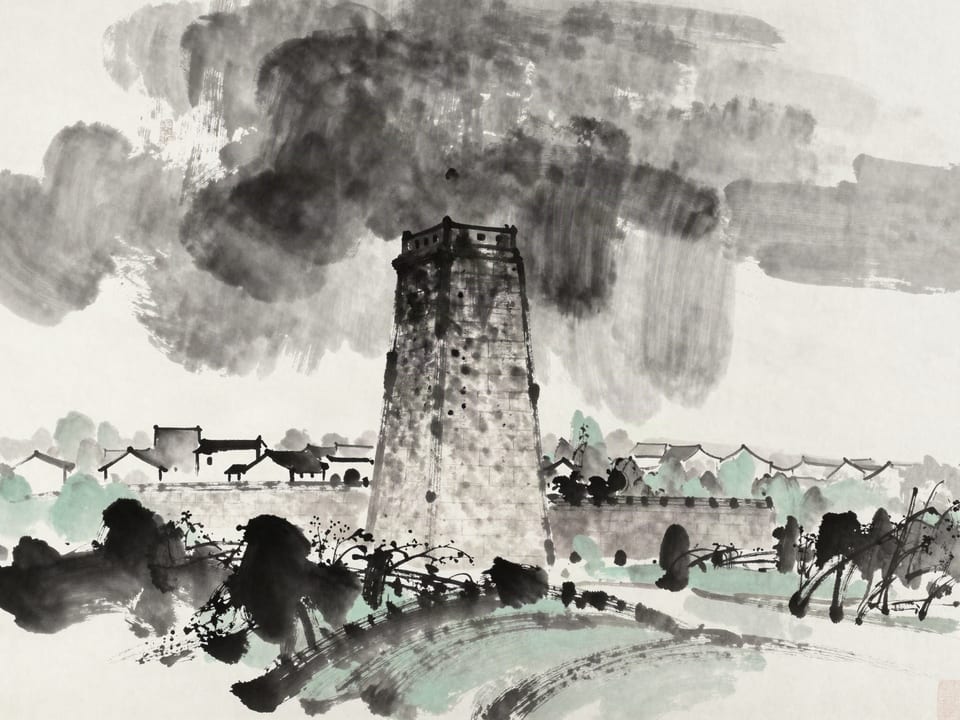
An organization is only as sound as the judgment of its commander; invest in the role, not just the title.
Chapter 3 pivots from ratios to the org chart: the general is the bulwark of the State — complete, the State is strong; defective, weak. After chapters of terrain and arithmetic, Sun Tzu locates structural integrity in a person. The building metaphor is exact: a bulwark is not decoration, it is the component the whole structure loads through.
A company "upgrades" from a founder-CEO to a professional one and treats the seat as a title to fill rather than a wall to maintain: no onboarding into the customer relationships, no coaching, board meetings quarterly at most. Two years of defective bulwark later — strategy drifts, the senior team turns over, and everyone blames the market. The State was never stronger than the wall everyone assumed would hold by itself.
The bulwark is the role, not the individual — which is why investing in it can mean developing a leader, hiring a better one, or building the support around one. What the verse forbids is the assumption that command integrity is self-maintaining. Walls inspected and repaired hold; walls that are merely load-bearing get discovered only in the earthquake.