“With none in the whole army are more intimate relations to be maintained than with spies. None should be more liberally rewarded.”
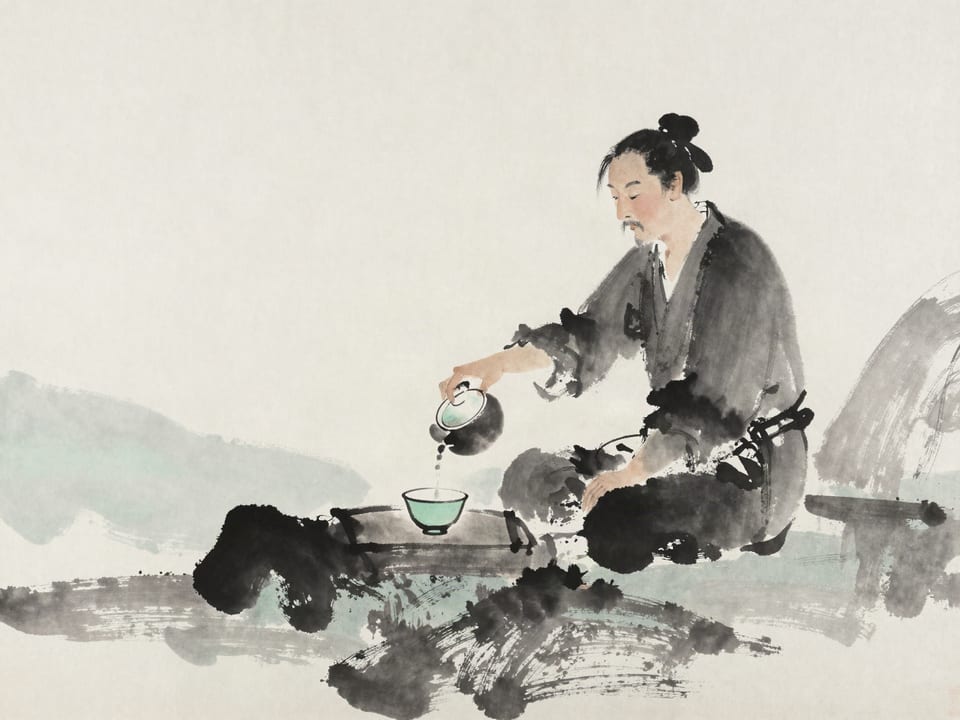
Spies deserve the closest bond and the richest reward; undervalue them and the flow stops.
Chapter 13 issues its compensation policy: with none in the whole army are more intimate relations to be maintained than with spies; none should be more liberally rewarded. Two superlatives — closest bond, richest pay — spent on the least glamorous function. Sun Tzu prices sources above generals because the general’s every decision is only as good as what the source delivered.
A firm pays its analysts market rate and its sales team above it — the standard ladder. Its single best source of market truth, however, is a part-time network of twenty industry veterans who take its calls because they like the founder. That network has been "free" for years, which quietly means: unbudgeted, unrewarded, and one founder-fatigue away from silence. The fix is the verse’s own: the network gets a budget line, equity in the outcomes it informs, and the closest relationship in the company. The information supply was never actually free; it was just unpriced.
Liberal reward is not transactionalization — the verse pairs the pay with intimacy, and its sources are loyal to relationships first. What it forbids is the accounting treatment that books intelligence as free because nobody signed an invoice for it. Sources that feel undervalued do not complain; they simply become unavailable, and the organization discovers the cost only in the silence.