“Having converted spies means getting hold of the enemy's spies and using them for our own purposes.”
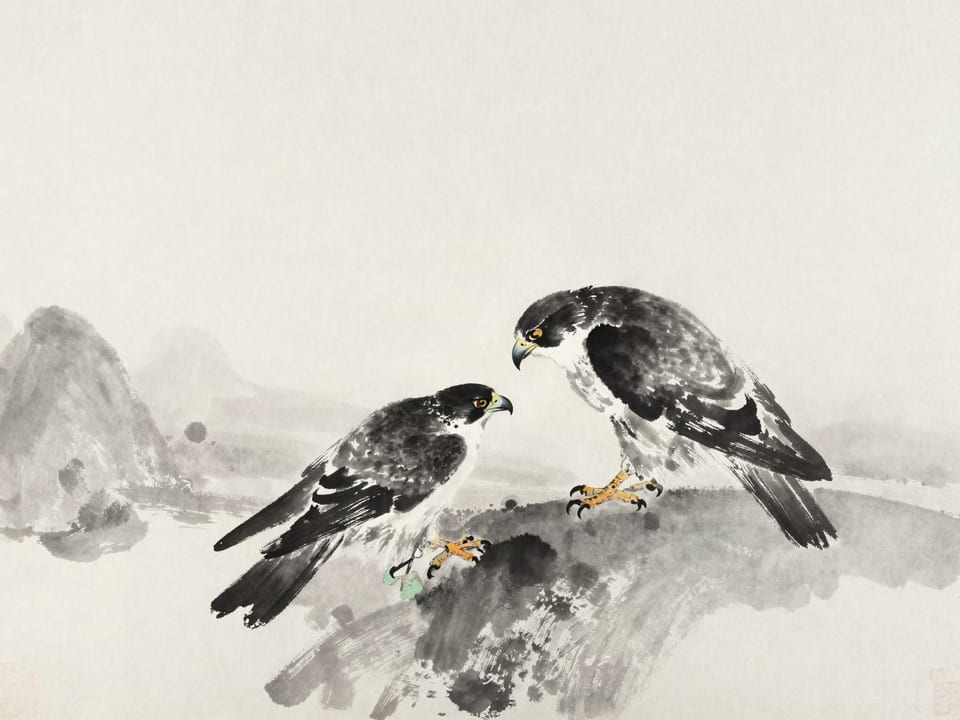
Captured enemy spies are best reused for you; turn their channel back on the sender.
Chapter 13’s third class: converted spies — getting hold of the enemy’s spies and using them for our own purposes. The instinct when discovering an opponent’s source is to shut it down; the verse recommends the opposite. A discovered channel is the rarest intelligence asset: it is a pipe the enemy still trusts, and trust, once captured, outproduces silence indefinitely.
A company learns, through a supplier slip, that a competitor has been receiving its product roadmap leaks from within a shared vendor. The reflexive move — confront the vendor, plug the leak — buys safety and loses the asset. The converted move: keep feeding the channel, curated. The competitor now plans around a roadmap that no longer exists, commits its next quarter to countering features that were quietly shelved, and discovers the conversion only when both products ship.
Conversion requires owning the channel lawfully — discovering that information is flowing and choosing what flows, never debriefing the mole or inducing anyone to break duties. And the play has a moral cost curve: it deceives, and it burns spectacularly if discovered. Sun Tzu reserves it for the opponent’s intelligence system — the one arena where his whole book agrees deception is the game being played.