“Spies cannot be usefully employed without a certain intuitive sagacity.”
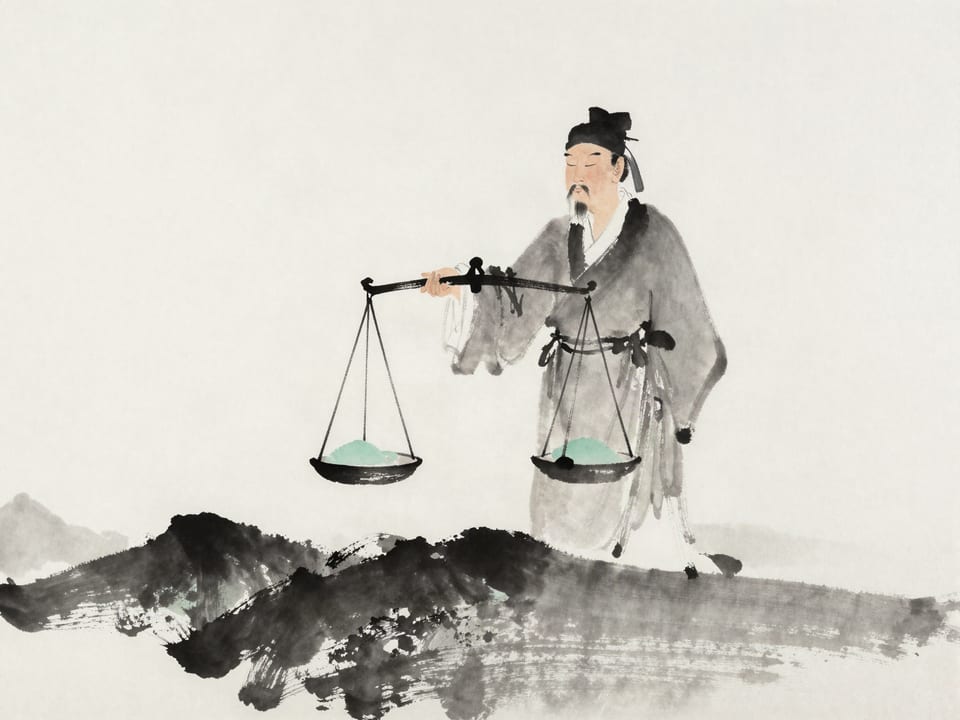
Using sources well needs intuition to judge truth from report; raw data is not understanding.
Chapter 13 inserts its quality gate: spies cannot be usefully employed without a certain intuitive sagacity. The placement is deliberate — after the five classes and the divine manipulation, before the operational details. Sun Tzu knows his own system produces raw reports, and that reports arrive with motives: a source’s alignment, a prisoner’s fear, a local’s grievance. The sagacity is the filter that turns channel output into knowledge.
A fund’s intelligence pipeline delivers a glowing channel check from a supplier — revenue up, orders accelerating. The analyst with sagacity asks the second question: who volunteered this source, and what does the supplier want? The supplier is bidding for the fund’s portfolio company’s next contract; the glowing check is a sales call. The same report, in a less skeptical shop, becomes the thesis’s load-bearing wall. Same spies; the difference was entirely in the reading.
Intuitive sagacity is not cynicism — the skeptic who disbelieves everything is as useless as the believer who trusts it all, and both avoid the actual work: sourcing the motive, cross-checking against Chapter 9’s signs, and updating confidence rather than verdicts. The verse asks for calibrated judgment — intuition disciplined by method — which is trainable, not mystical.