“Let your rapidity be that of the wind, your compactness that of the forest. In raiding and plundering be like fire, in immovability like a mountain.”
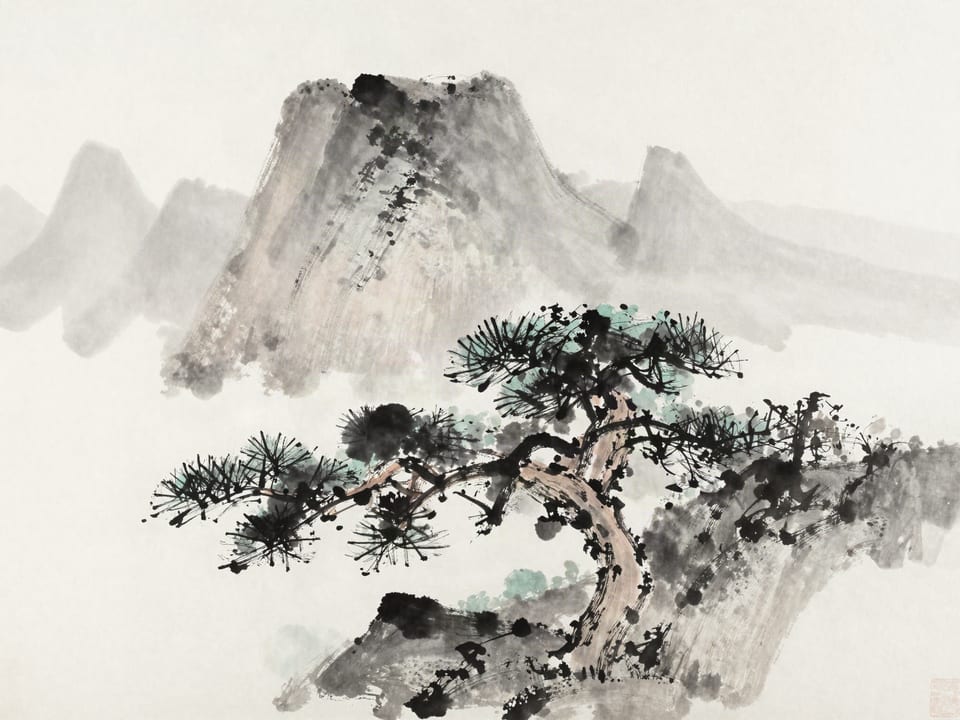
Different moments demand different qualities: speed when opportunity opens, order when coordinating, intensity when striking, and stillness when defending. Mastery is knowing which posture the moment calls for.
Chapter 7’s most-quoted image describes an army on the march: swift as the wind in movement, orderly as the forest in approach, devastating as fire when it raids, immovable as a mountain when it stands. The lines are usually quoted as poetry, but in context they are operating instructions — four named postures for four phases of the same maneuver, and disaster comes from wearing the wrong one at the wrong moment.
A product team is strongest when its phases have postures: discovery moves fast and loose like wind; the approach to launch compacts into forest-order — review, test, rehearse; release week strikes like fire, everything shipped at once; and the following month stands like a mountain, holding support and stability while competitors churn. The team that is all fire permanently burns its own people; the one that is all mountain never ships.
Read as "be adaptable," the line loses its teeth. The four postures are distinct and to some extent exclusive — wind is not careful, fire is not patient, and a mountain cannot chase. The discipline is committing fully to one posture per phase, not blending all four into a cautious average that is none of them.