“The clever combatant imposes his will on the enemy, but does not allow the enemy’s will to be imposed on him.”
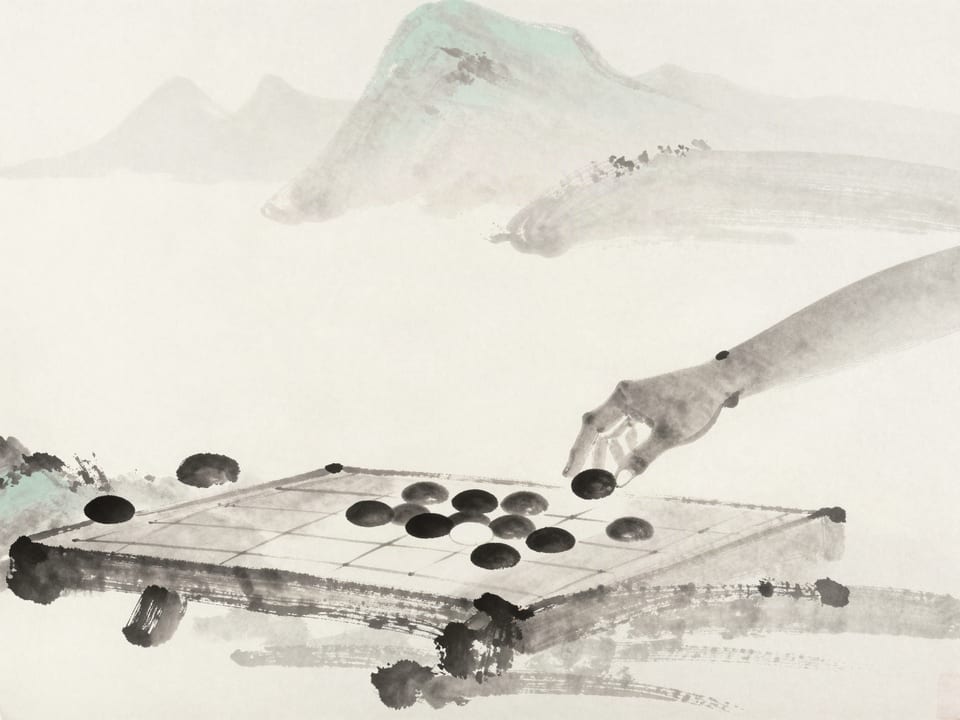
The strategic initiative is everything. The side that sets the tempo and the terms forces the other to react; the side that merely reacts is always one step behind. Win by making your opponent respond to you.
Chapter 6 — Weak Points and Strong — is the manual of initiative. Its central image is the soldier who is everywhere undefended because he attacks everywhere the enemy is not. This lesson states the chapter’s premise outright: the skilled fighter imposes his will on the enemy and is never imposed upon. Whoever defines where and when the engagement happens has already won most of it.
A consultant lets each client set the meeting agenda, the scope, the timeline — and wonders why every engagement drags into unpaid work. Another opens every project by proposing the frame: the decision to be made, the deadline, the deliverable. Clients rarely reject the frame; they are relieved to have one. Same market, same skills — one consultant fights on ground the client chose, the other chooses it.
Imposing your will does not mean steamrolling. The most durable version is setting the frame so well that the other side prefers operating inside it — the agreement Sun Tzu elsewhere calls winning while the enemy rejoices. Coercion is what strategy looks like when the framing has already failed.