“He wins his battles by making no mistakes. Making no mistakes establishes certainty of victory.”
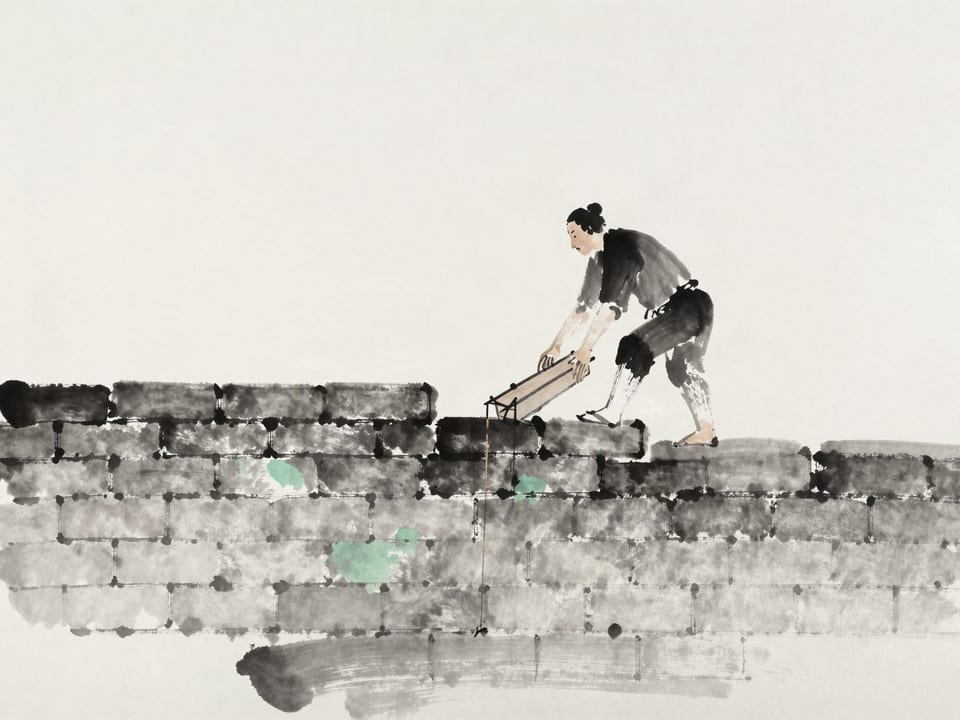
Reliable wins come from avoiding mistakes, not from occasional genius; consistency is the strategy.
Chapter 4 states its theory of victory plainly: he wins by making no mistakes, because making no mistakes establishes the certainty of victory — which then meets the enemy’s inevitable error. It is a shocking demotion of brilliance. Sun Tzu’s winning general is not the one who improvises marvels but the one whose process does not leak, standing intact when the other side spills.
Two traders hold the same views and the same positions. One loses money year after year to the same three errors — averaging down, sizing up after losses, exiting winners early — each hand-written in a journal that never changes anything. The other converts the identical journal into mechanical rules: stops sized before entry, position caps, exits scheduled. Same market, same insights. One has genius and a leak; the other has a hull.
Making no mistakes is not perfectionism — freezing to avoid all error is itself the error Chapter 2 condemned as delay. The verse targets repeatable, known mistakes: the ones already in your journal. The bar is systemic, not psychological; willpower is what you use until the system exists.