“The art of war teaches us to rely not on the likelihood of the enemy's not coming, but on our own readiness to receive him.”
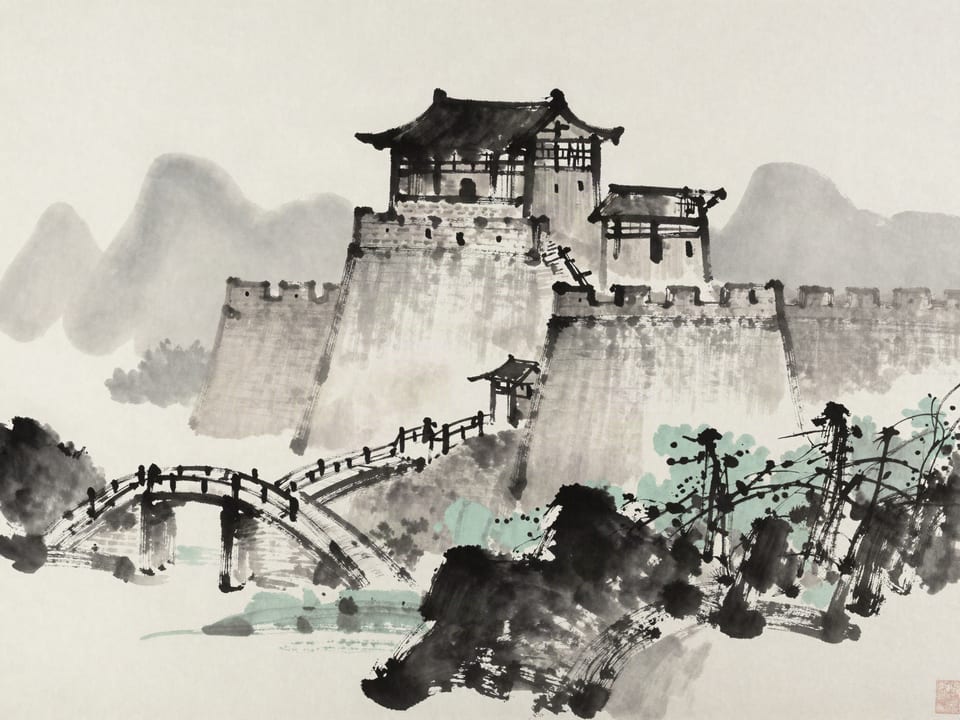
Do not bet on the enemy staying away; bet on your own readiness to meet him if he comes.
Chapter 8’s fortress principle: rely not on the likelihood of the enemy’s not coming, but on our own readiness to receive him. Sun Tzu inverts the entire logic of threat assessment — probability of attack is not yours to control or know; state of readiness is. The verse quietly redefines what a defense budget buys: not safety-through-forecast, but safety-regardless-of-forecast.
A SaaS company bets its continuity on its cloud provider’s uptime — 99.99%, historically reliable, the attack that "won’t come." A rival with identical exposure builds multi-region failover, quarterly restore drills, and a documented degraded mode. When the provider’s region fails for nine hours, the first company explains outages to customers; the second sends a short note that it kept running. The readiness cost 3% of engineering time, annually, forever — the price of not hoping.
Readiness for everything is impossible, and the verse does not demand it — the enemy in your scenario has a face and a route, and readiness means receiving that specific arrival. Blanket insurance against all conceivable events is how this teaching gets corrupted into budget-consuming paranoia. Name the two or three attacks you cannot survive, and be ready for those.