“There are five dangerous faults which may affect a general: recklessness, cowardice, a hasty temper, a delicacy of honour, and over-solicitude for his men.”
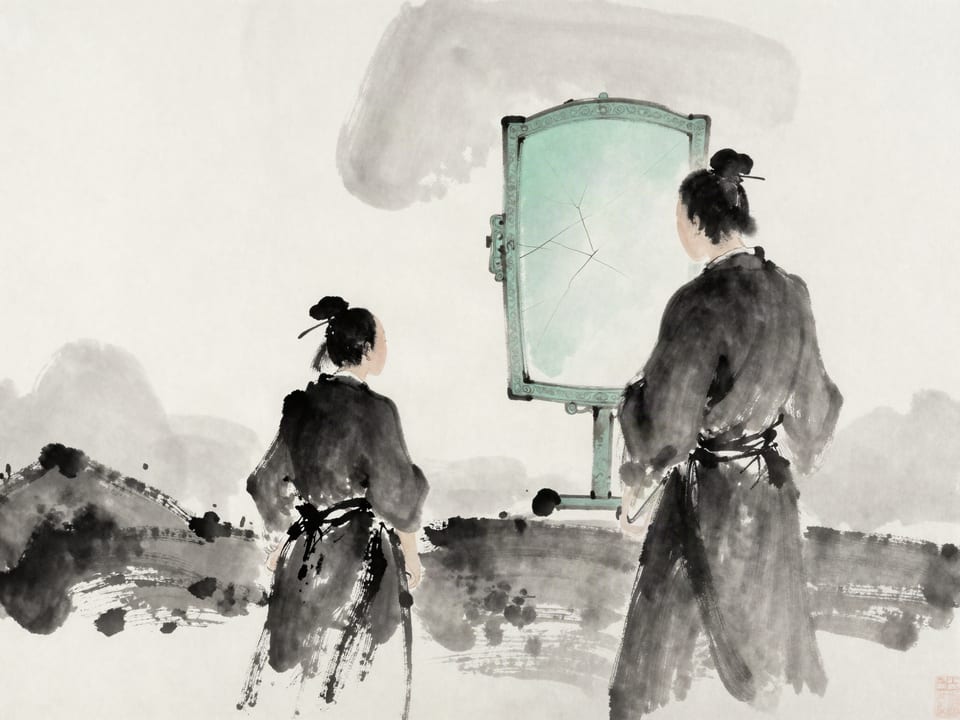
Five personal faults wreck commanders; naming them in yourself is the first defense.
Chapter 8’s closing catalogue indicts the commander himself: five dangerous faults — recklessness, cowardice, a hasty temper, a delicacy of honour, over-solicitude for his men. After chapters of enemy, ground, and method, Sun Tzu aims the last diagnostic inward. The list is carefully balanced: two excesses of aggression, two excesses of feeling, one of fear — a full circle of the ways a strong personality breaks under command.
A founder reads the list at a board retreat and assigns them like a team exercise — recklessness to the CTO, temper to sales, over-solicitude to himself as a joke. The honest version happens six months later in a downturn: his "care for the team" (fault five) keeps unaffordable people for two quarters, his delicacy of honor (fault four) prevents admitting the miss to the board until the miss has compounded. The list was describing him before he was ready to read it.
The five faults are not sins to eliminate — each is a virtue overextended. Courage becoming recklessness, loyalty becoming capture-avoidance, care becoming coddling. You cannot cut them out without cutting out the strengths they grow from. The discipline is surveillance, not amputation: know which of your virtues bends toward which fault under pressure, and post a watch there.