“Camp in high places, facing the sun. Do not climb heights in order to fight.”
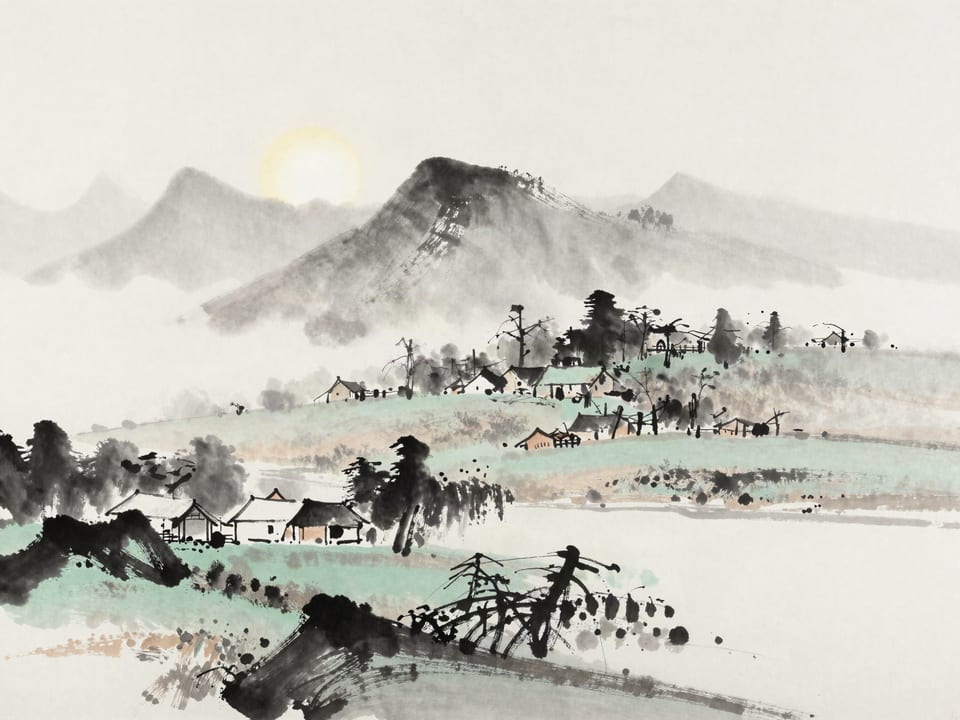
Height and light favor you; fight downhill, not up. Position grants the first advantage.
Chapter 9’s terrain rules begin: camp in high places, facing the sun; do not climb heights in order to fight. Two instructions, one physics. Height and light are free advantages — the enemy must spend energy climbing and squinting — but they are positional, not portable. Sun Tzu adds the refusal: occupying high ground does not mean assaulting the enemy’s high ground, where every meter of advance is paid at altitude.
A boutique law firm chooses its "camp" carefully: a niche regulatory area where it publishes the definitive newsletter — the sunny high ground every client reads from below. When a generalist giant enters the niche, it faces an opponent that has been facing the sun for a decade: quoted in every article, cited in every ruling. The giant’s assault climbs the whole way; the boutique fights only downhill, answering from the position the campsite built.
High and sunny is a metaphor with limits — the modern equivalents are authority positions (the standard, the dataset, the distribution advantage), and the verse does not bless whoever is biggest. Any position that others must visibly climb toward, and that gives you clear sight of their approach, qualifies. What the verse forbids is romanticism about attacking such positions because they are there.