“Victorious warriors win first and then go to war, while defeated warriors go to war first and then seek to win.”
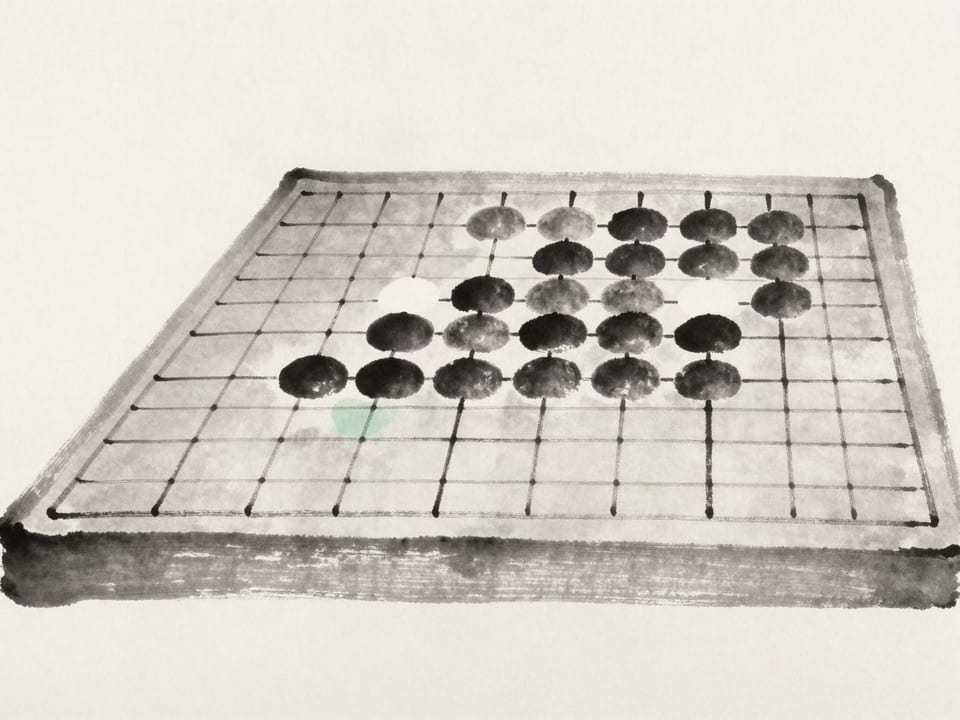
The outcome is largely determined before the contest begins. Sun Tzu separates "winning" (creating favorable conditions) from "fighting" (the visible contest). If you only start trying to win once the fight has begun, you have already lost the advantage.
Chapter 4 reframes everything the first three chapters built. Victorious warriors, Sun Tzu says, create the conditions of victory first and then go to war; the defeated start the fight and then try to conjure victory out of it mid-battle. The chapter is about dispositions — the position you hold before contact — and its teaching is that by the time anyone can see the contest, it has usually already been decided.
One product launch "goes well" — and the work behind it was a quarter of pre-launch: one hundred committed users, the pricing tested, distribution partners signed, the narrative rehearsed. Another launch the same day ships into silence and spends its first month "figuring out demand." The market reads both as luck and timing. The dispositions were the difference, and they were settled before either product appeared.
Read carelessly this sounds like fatalism — winners predestined, effort pointless. It is the opposite: winning first is work you do, on purpose, in the window nobody is watching. The defeated warrior is not weak; he is merely someone who started the visible contest before finishing the invisible one.