“We are not fit to lead an army on the march unless we are familiar with the face of the country — its mountains and forests, its pitfalls and precipices.”
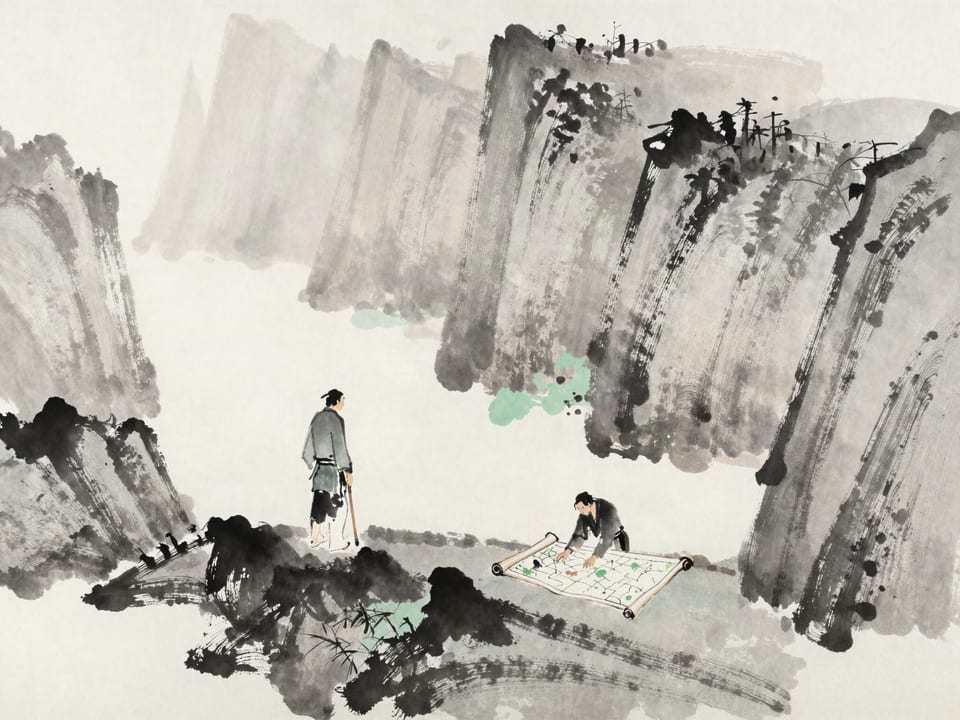
Command requires intimate knowledge of the terrain; ignorance of the ground forfeits every advantage.
Chapter 7 disqualifies the ignorant commander outright: we are not fit to lead an army on the march unless we are familiar with the face of the country — its mountains and forests, its pitfalls and precipices. Not "should study" — are not fit. Sun Tzu treats ground literacy as a license requirement for command, because every maneuver in this chapter converts ground knowledge into advantage and ground ignorance into ambush.
An American retailer enters Germany on the strength of its home playbook — the ground presumed flat. The ground contained cliffs: closing laws that killed Sunday revenue, return-culture that gutted the margins, Works Councils with real say in operations. Every "surprise" was printed in advance, in legislation any local manager could have walked them through. The retailer fit Sun Tzu’s sentence precisely: unfit to lead the march.
Knowing the ground is not completing a market report — Sun Tzu’s commander knows the precipices personally, the way a guide does, not the way a library does. Documents describe terrain; they do not know it. The standard is experiential: walked ground, talked-to locals, shipped-from-there products. Anything less is a map mistaken for the territory.