“He who is prudent and lies in wait for an enemy who is not, will be victorious.”
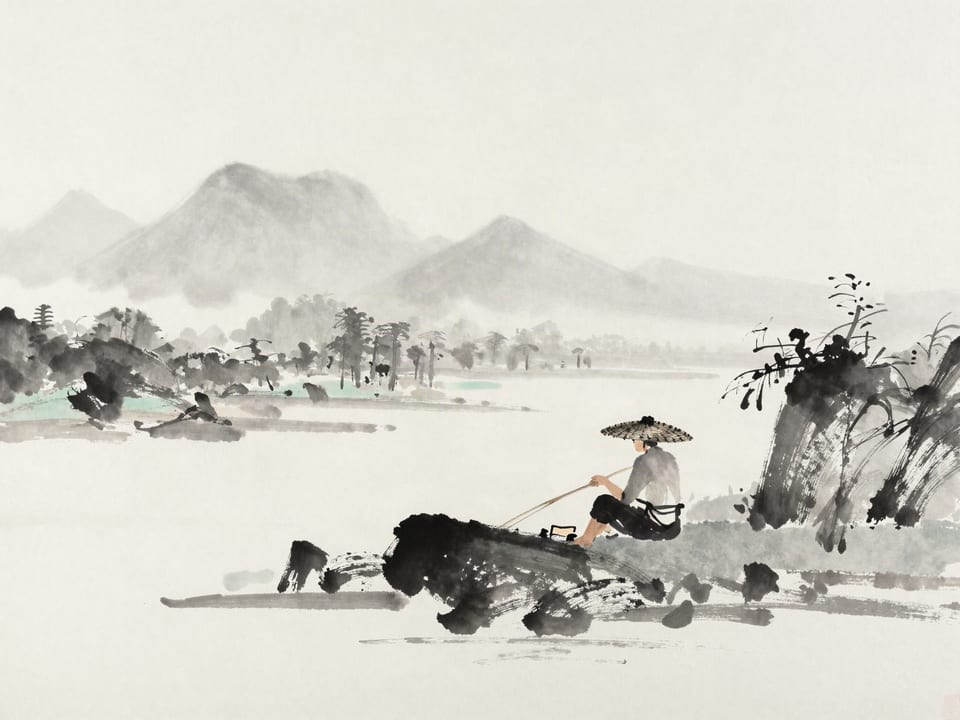
Patience is a weapon. The prepared party who waits for the right moment beats the unprepared party who rushes in. In markets and business, discipline — preparing and waiting — is itself an edge.
Back in Chapter 1, among the verses on deception and assessment, sits this quiet definition of where victory actually comes from: the prudent commander lying in wait defeats the imprudent one. It is the chapter’s answer to the impatient reader — all this calculation and concealment is not passivity, it is loading the spring. Prudence here means preparation sustained under stillness.
An investor spends eighteen months studying an industry without buying anything — mapping who must sell, which balance sheets are fragile, what a distressed asset would be worth intact. Colleagues call it sitting out. Then a credit squeeze arrives, the prepared list of targets is already ranked, and the purchases happen in six weeks at prices the unprepared cannot believe. The waiting was the strategy; the buyers were merely its delivery mechanism.
Patience is not the virtue here — prudence is. Sun Tzu does not bless waiting in general; he blesses the prepared party waiting for the unprepared one. Waiting without preparation is just latency: when the moment arrives, the unprudent waiter is as helpless as the rusher.