“The quality of decision is like the well-timed swoop of a falcon which enables it to strike and destroy its victim.”
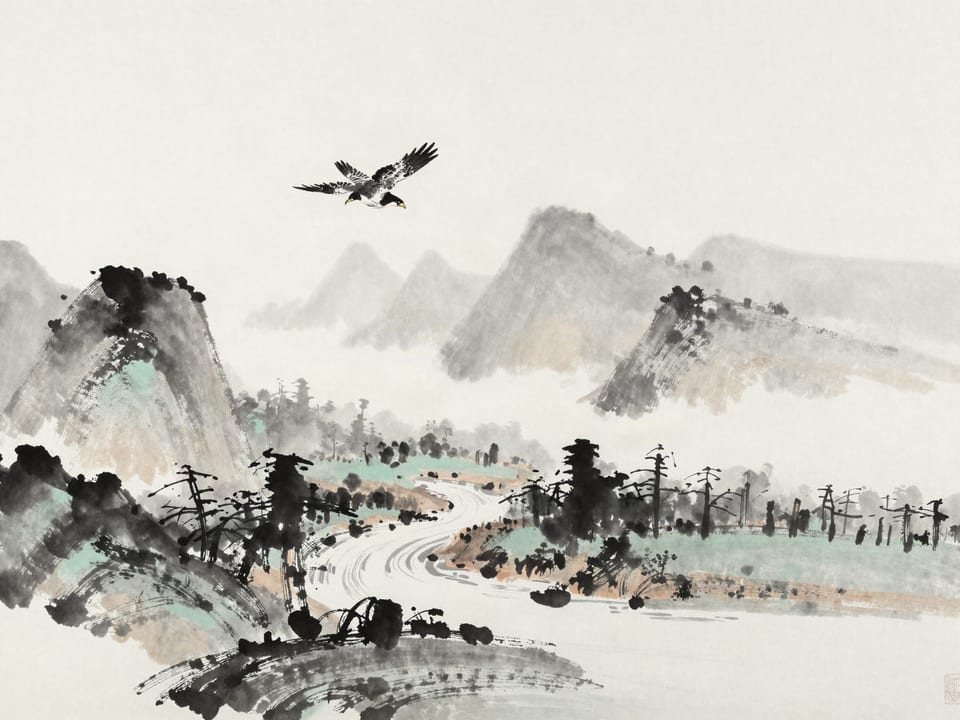
A decision is not just about what to do, but when to do it. The falcon does not strike at every opportunity; it waits and strikes once, at the perfect moment. Timing is what converts a good move into a decisive one.
Chapter 5 is about energy — momentum accumulated and released — and the falcon is its illustration of release. The bird does not beat its wings harder than other birds; it circles high, and the swoop works because gravity plus position plus moment combine into a strike no effort could match. Sun Tzu’s point is that decision quality has this same structure: the same move, made at a different instant, is a different move.
A sales lead goes cold for a month. One rep sends a polite follow-up on schedule and gets nothing. Another notices the company just posted a job for the exact role his product serves — and writes one email referencing that role. The reply comes in an hour. Same product, same buyer, same rep’s skill: the second email simply fell from the right height.
The falcon is not an argument for waiting for perfection. A falcon that never swoops starves, and the bird commits fully the instant it commits. The lesson distinguishes the strike from the circling — circle deliberately, strike decisively — and warns only against swapping the two: circling urgently, striking hesitantly.