“Let your plans be dark and impenetrable as night, and when you move, fall like a thunderbolt.”
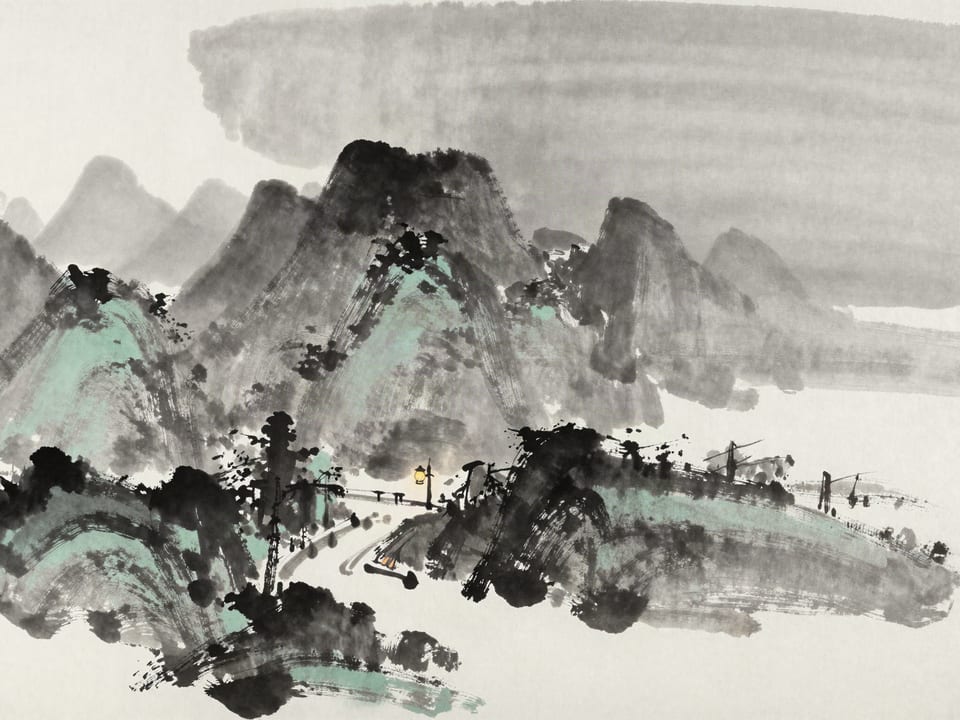
Two phases, one doctrine: in planning, stay opaque so the other side cannot prepare; in execution, move with sudden, overwhelming speed so there is no time to react. Secrecy before, speed after.
Chapter 7 is about maneuvering — the movement of real armies across real ground — and its recurring warning is that visible motion invites counter-maneuver. Let your plans be dark and impenetrable as night, Sun Tzu writes, and when you move, fall like a thunderbolt. The pairing is the lesson: secrecy exists to protect speed. Concealment without the capacity to strike decisively is just hiding.
A company preparing a pivot says nothing publicly for six months — no blog post, no conference talks, no leaks to friendly journalists — while contracts are signed, the team is retrained, and the code is rebuilt. Then the new product ships in full in a fortnight, announced and available on the same day. Competitors who were writing rebuttals to its old direction have nothing to rebut; the announcement and the arrival were one event.
Secrecy here is sequencing, not a lifestyle of silence. Sun Tzu is not advising permanent opacity toward customers, partners, or your own team — a strategy nobody can see cannot be executed by anyone. The discipline is narrower: the plan stays dark only while it is vulnerable, and only until the moment it can arrive as thunder.