“One may know how to conquer without being able to do it.”
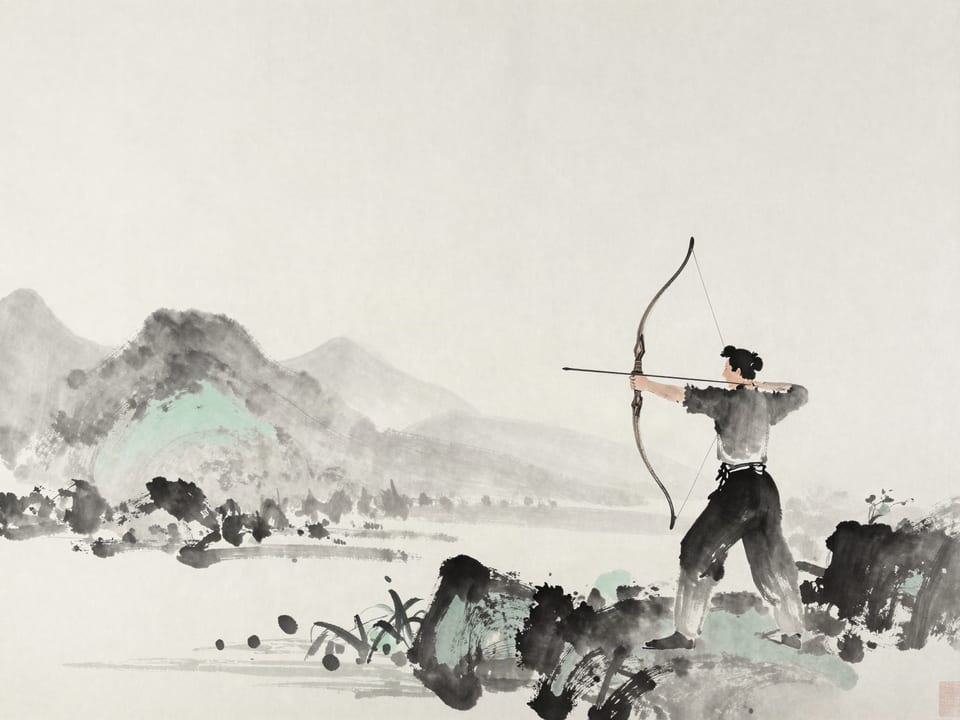
Understanding victory is not the same as being able to impose it; capability must be built, not just seen.
Chapter 4 inserts a sober separator between seeing and having: one may know how to conquer without being able to do it. Coming between the verses on invulnerability and opportunity, this line defines the chapter’s hidden subject — capability as distinct from insight. Sun Tzu’s book is often read as wisdom; this verse admits that wisdom alone does not win, and that the gap must be built across, deliberately.
An analyst sees the turn six months early — the data is unambiguous to him and he says so in every meeting. But his fund’s mandate cannot hold the position that long, its risk desk will cut it at the first drawdown, and his track record cannot carry the argument. He was right, fully right, and captured none of it: the knowing was real, the ability to act on it had never been constructed.
The verse is not an argument for pessimism about knowledge — knowing how to conquer remains the prerequisite. It is an audit instruction: for each insight you hold, ask what structure — capital, authority, skills, alliances — would let you act on it, and whether you have built that structure. Knowing without capability is a spectator sport.