“Regard your soldiers as your children, and they will follow you into the deepest valleys; look on them as your own beloved sons, and they will stand by you even unto death.”
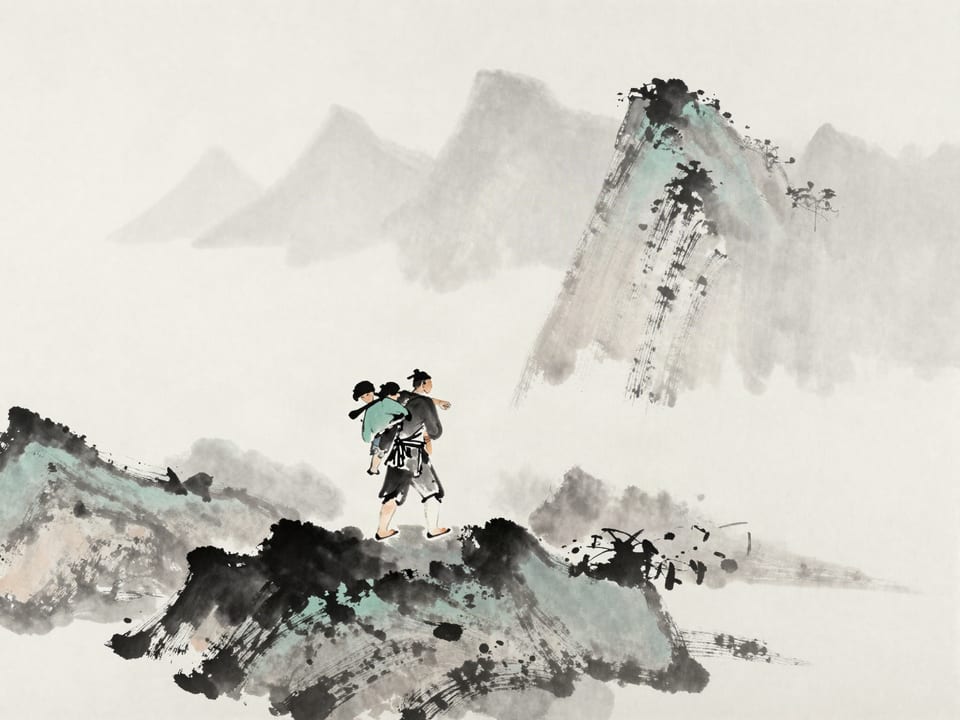
Genuine care for the people earns loyalty that endures the worst; treat them as kin, not tools.
Chapter 10 returns to its care doctrine as the chapter’s emotional summit: regard your soldiers as your children and they follow into the deepest valleys; look on them as beloved sons and they stand by you unto death. Coming after the six calamities and the command failures, the verse answers an implicit question — why would anyone follow a general into the valley at all? Because of what he has proven about whose valley it is.
During a brutal airport-crisis deployment, one airline’s ground crew volunteers for double shifts while a rival’s walks out. The operational logbooks look identical — same pay bands, same union rules. The difference is historical: one crew chief had spent two years covering for his people’s family emergencies, personally, at his own cost; the other had spent two years optimizing them as shift resources. The valley arrived, and each organization discovered what it had actually built.
Care as kin is not boundary-less indulgence — the very next verse in Chapter 10 warns that indulgence without authority produces spoilt children, useless for anything. The parent metaphor is chosen with care: real parents love and hold lines. What the verse forbids is the transactional frame in which people are capacity to be scheduled, which repays you exactly transactionally when the valley appears.