“If fighting is sure to result in victory, then you must fight, even though the ruler forbid it; if fighting will not result in victory, then you must not fight even at the ruler's bidding.”
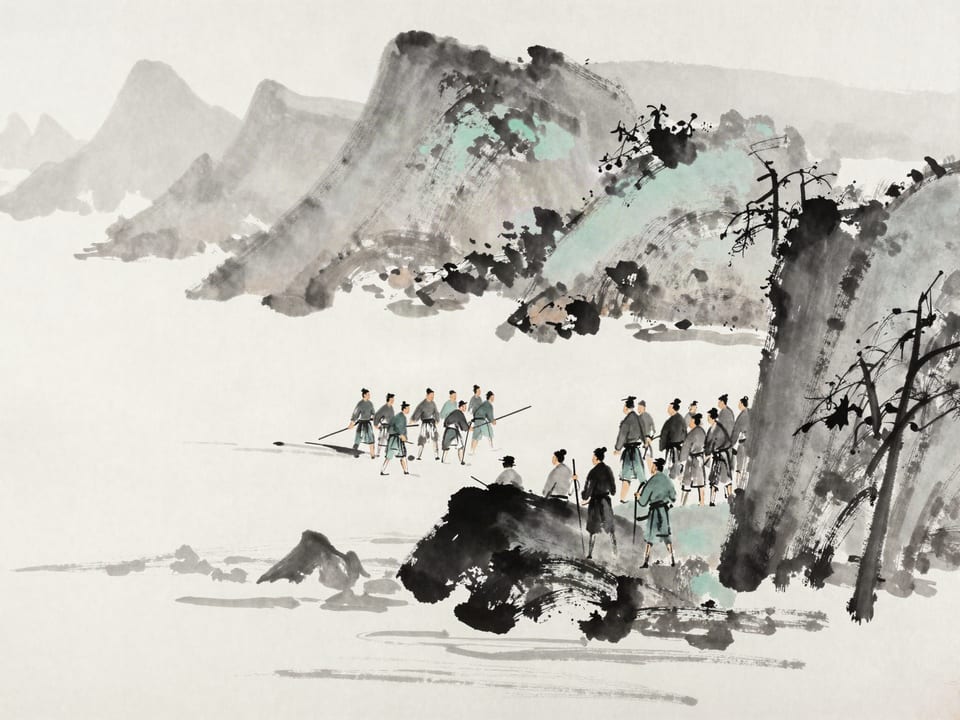
The decision to fight rests on predicted victory, not on who commands it; courage is refusing bad fights too.
Chapter 10 delivers its severest independence clause: if fighting is sure to result in victory, you must fight, even though the ruler forbid it; if fighting will not result in victory, you must not fight, even at the ruler’s bidding. The general on the ground holds the decision, because only the general sees the ground. Sun Tzu subordinates hierarchy to forecast — deliberately, twice, in one sentence.
A country manager is ordered to hit a launch date that her ground-truth says will ship a broken product into a scheduled competitor storm. Option one: obey, launch, and let the numbers report the truth later. Option two: the Chapter 10 move — document the forecast, delay, and accept the consequence. She delays with written analysis; the storm arrives on the original date and breaks a rival instead. Her end-of-year review contains both the insubordination and the market share.
Fight-on-merit is not fight-on-mood — the verse’s criterion is "sure to result in victory," which is a forecast, made with evidence, owned afterward. What Sun Tzu licenses is professional judgment documented in advance, not temperamental refusal dressed as conviction. The ruler also learns something from the clause: orders that override ground-truth get quietly defeated by reality either way.