“The general, unable to control his irritation, will launch his men like swarming ants, with one-third slain and the town untaken.”
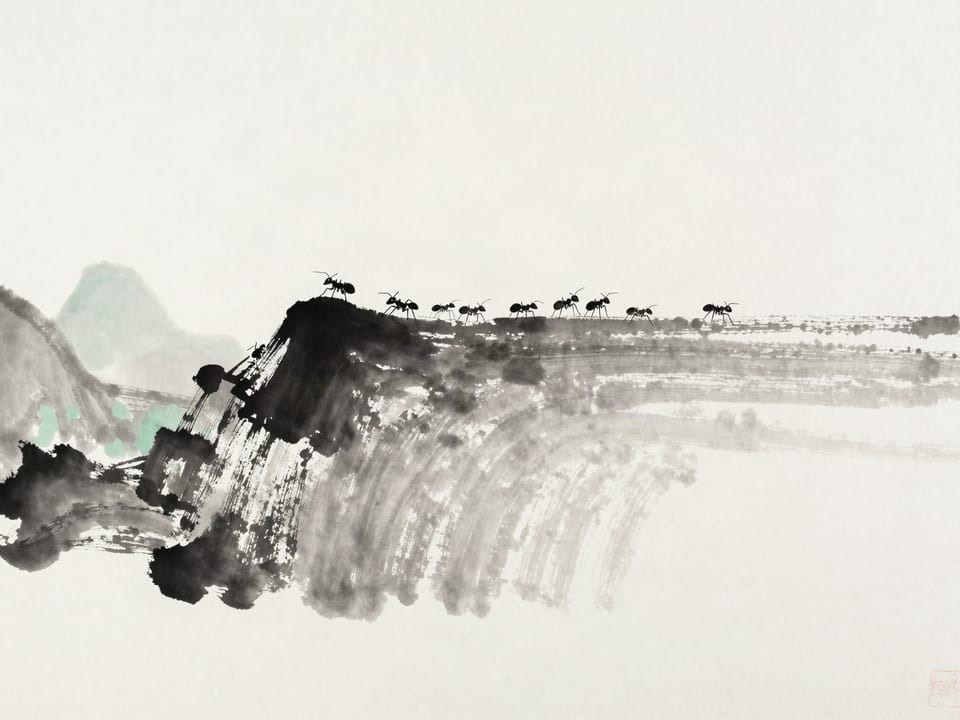
Acting from pique wastes your force on the other side's chosen ground; discipline beats rage.
Chapter 3 shows what the siege looks like when ego runs it: the general, unable to control his irritation, launches his men like swarming ants — a third slain, the town untaken. The image completes the previous verse from inside the general’s own head. The wall was never the problem; the irritation is, and the enemy holds it rent-free.
A founder reads a competitor’s mocking launch post and redirects two engineers for a sprint to build the feature being mocked. The feature ships to applause; the roadmap slips a month; the competitor — whose post was bait — now knows exactly how to move the founder’s chess pieces. One irritated sprint, one-third of a quarter spent, the town untaken.
The remedy is not emotional flatness — Sun Tzu elsewhere recommends provoking choleric opponents precisely because passion is universal. The discipline is ownership of the trigger: irritation can arrive uninvited, but acting on it is a decision. Between the provocation and the ant-swarm stands exactly one person who can call it off.