“In the operations of war, a thousand chariots and a hundred thousand mail-clad soldiers will cost a thousand ounces of silver per day.”
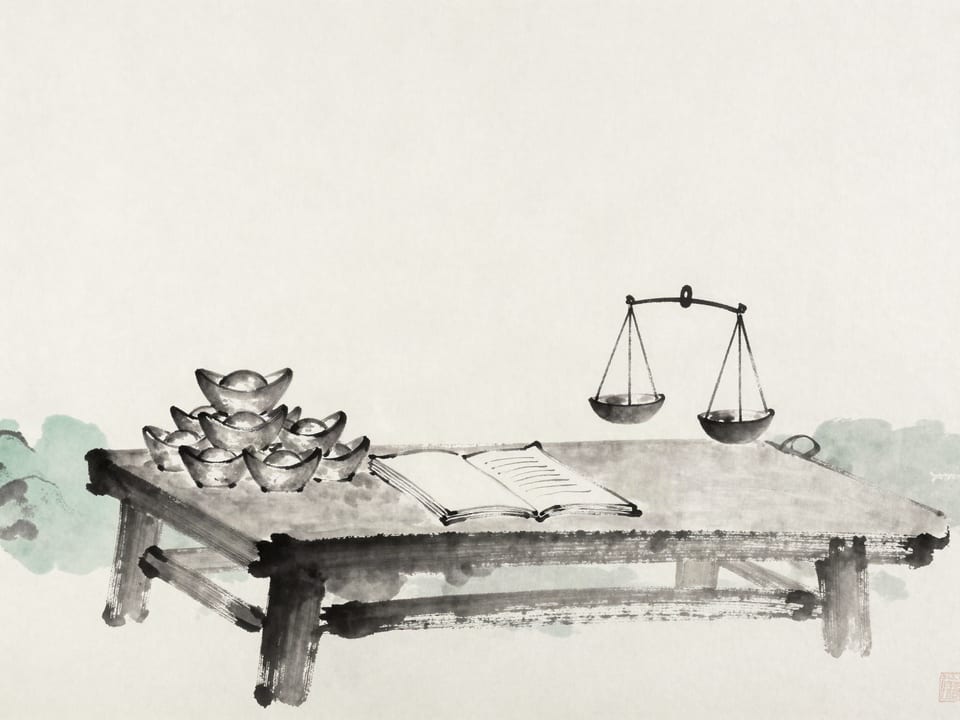
Every sustained effort has a daily burn; ignoring it hides the moment the venture eats itself alive.
Chapter 2 opens its ledger with a single line item: a thousand chariots, a hundred thousand armored soldiers, a thousand ounces of silver a day. Before any advice about enemies or tactics, Sun Tzu states the burn rate. The whole chapter is the book’s finance section, and it opens the way a good CFO does — not with the plan, but with what the plan costs per day simply to exist.
A company launches a second product line and budgets the launch: design, marketing, headcount. What the budget misses is the carrying cost — the daily tug of engineering attention, support load on the same team, the standing meeting that outlives the kickoff. Eighteen months later the line is "profitable" by its own P&L while quietly taxing the flagship. The thousand ounces were always being spent; they were just booked elsewhere.
The lesson is not to minimize cost — armies that under-spend lose, and Sun Tzu never confuses frugality with strategy. It is to know the number. A burn rate you can state is a strategic variable: it tells you how long the campaign can run, which is the denominator under every other decision in this chapter.