“If victory is long in coming, the men's weapons will grow dull and their ardour will be damped.”
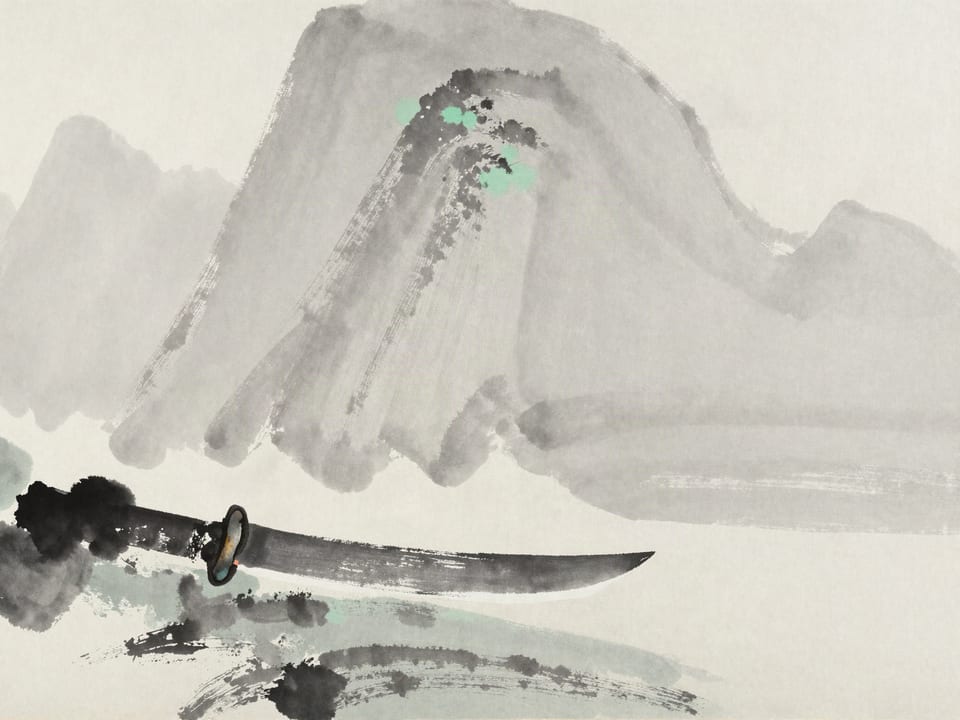
Campaigns that drag bleed momentum and materiel; speed preserves the force you started with.
The ledger continues into time: victory long in coming dulls weapons and damps ardour. Sun Tzu is naming depreciation — of equipment, but far more dangerous, of people. Chapter 2’s costs are not just silver; they are the sharpening a force loses when its campaign has no horizon, which is why the chapter’s remedy throughout is decisiveness, not endurance.
A team runs a "temporary" war-room posture for a year: nightly deploys, heroes, pizza. The weapons dull in exactly Sun Tzu’s sense — the senior engineer who used to prevent incidents now only fights them; the ardour damps into gallows humor. Nothing dramatic breaks. The company just slowly loses the people it hired for their sharpness, to a campaign nobody will declare finished.
This verse is not an argument for manufactured urgency — panic is Chapter 1’s "stupid haste" and loses differently. The target is the indefinite middle: campaigns with no decision point, where neither finishing nor cancelling is ever chosen. Dulled weapons are the cost of that non-decision, paid daily.