“Move not unless you see an advantage; use not your troops unless there is something to be gained; fight not unless the position is critical.”
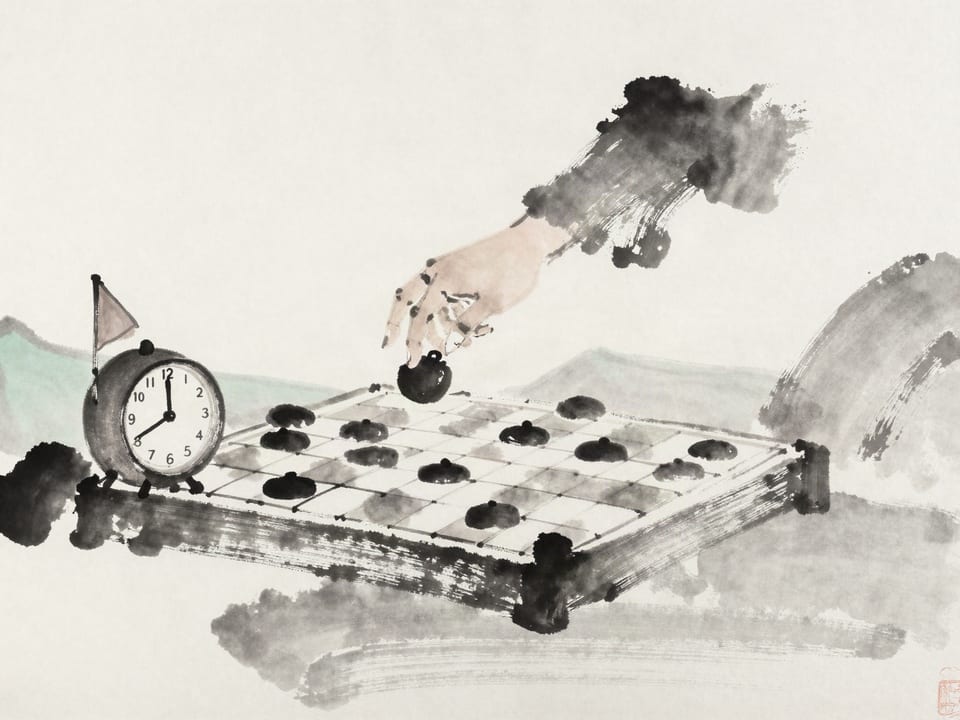
Every move must buy something real; motion without gain is waste and exposure.
Chapter 12’s closing discipline is a triple gate: move not unless you see an advantage; use not your troops unless there is something to be gained; fight not unless the position is critical. Three thresholds, rising in severity — motion costs energy, troops cost treasure, fighting risks the force itself. Sun Tzu prices each layer of commitment and demands its corresponding justification.
A company ships a new product category annually because "we ship every fall" — motion without an advantage named. It staffs three regional expansions because rivals are there — troops without a gain specified. It contests one flagship account on principle — a fight with nothing critical underneath. The annual review calls this momentum. The verse calls it three unpriced expenses, and the compound effect is a strategy that moves constantly and arrives nowhere.
The gate is against motion, never for paralysis — advantages appear constantly to those watching for them, and the verse’s own verb is "see": advantage-spotting is the active skill. What it forbids is momentum as identity — movement maintained for the feeling of progress. Restraint that never converts into a well-chosen strike is just the quieter form of the same waste.