“Moor your craft higher up than the enemy, and facing the sun. Do not move up-stream to meet the enemy.”
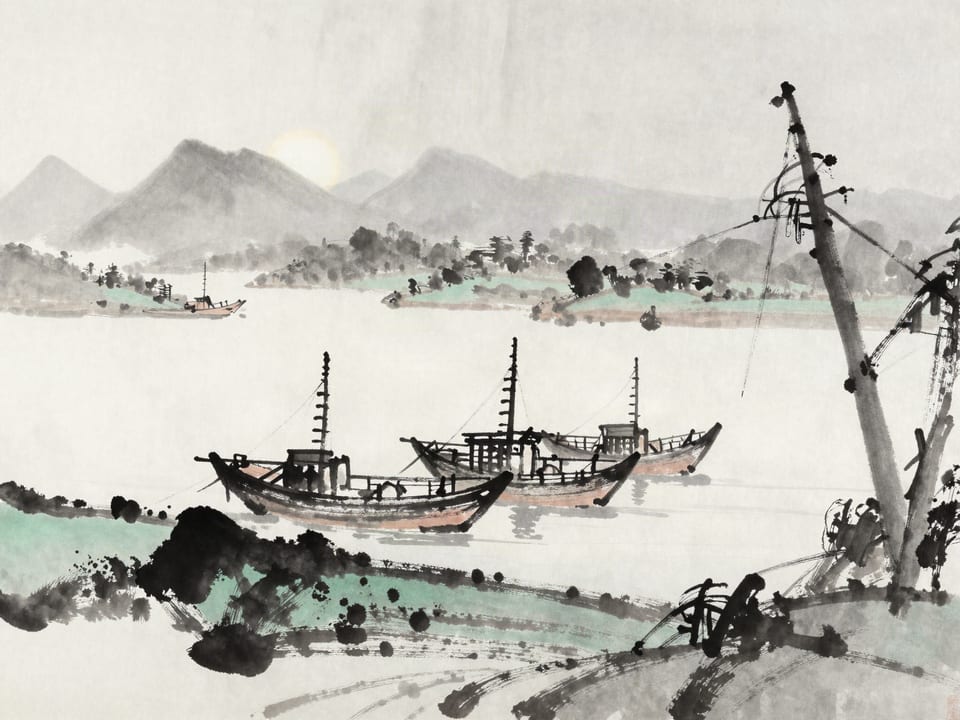
Control of the river means the better bank; never fight upstream against the current and the sun.
Chapter 9’s river doctrine continues: moor your craft higher up than the enemy, and facing the sun; do not move up-stream to meet the enemy. The specifics stack small advantages — elevation, light, current — into the difference between meeting the attack refreshed and meeting it exhausted. Sun Tzu’s streams do not forgive the commander who accepts the downstream, dark-facing mooring because it was nearer.
Two vendors court the same partnership. One takes the convenient berth: the co-marketing slot the partner offered first, in the partner’s own event format, on the partner’s terms — downstream, facing away from the sun. The other holds out for the slot that looked harder: a technical integration that makes its product load-bearing in the partner’s stack. A year later one vendor is a logo on a slide; the other is upstream — every partner roadmap flows through it.
Upstream is a specific position, not general aggressiveness — mooring higher is defensive as much as offensive; it is where you want to be when the flood comes. The misreading treats the verse as "always attack first," which Chapter 9 never says. The instruction is about berth selection: when you must be on the river at all, be on the bank that the current and the light favor.