“If you know the enemy and know yourself, you need not fear the result of a hundred battles.”
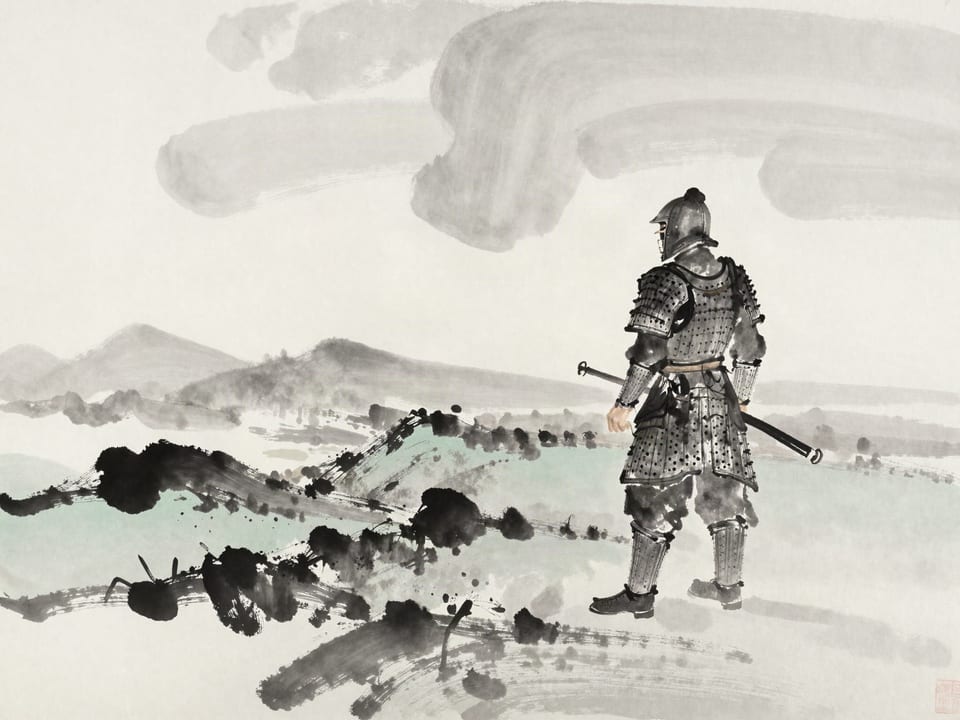
With clear sight of both sides, outcomes become predictable; ignorance on either side guarantees loss.
Chapter 3 ends where it began — with the same ladder of knowledge, now given its full three rungs. The famous line appears here as the top of the sequence: know the enemy and know yourself, and a hundred battles hold no terror. The repetition is deliberate architecture, not padding: the chapter that opened with breaking resistance without fighting closes with the knowledge that makes every one of its methods executable.
A sales leader knows exactly how his own company evaluates tools — the CFO’s veto points, the pilot-to-contract lag, the features that actually get used. When he sells, he models the prospect’s buying process with the same skepticism he applies to his own purchases — and his win rate reflects it. The discipline is symmetrical honesty: the buyer across the table is as risk-averse, political, and budget-bound as you are.
The line is a standard, not a promise — "need not fear" describes what full knowledge removes, and full knowledge is expensive. The rungs below exist because most contests are fought with partial sight. Treating the famous sentence as a talisman ("we did our research!") while ignoring the ladder’s lower rungs is how confident people lose anyway.