“There are three ways a ruler can bring misfortune upon his army: hobbling it, governing it like a kingdom, and employing officers without discrimination.”
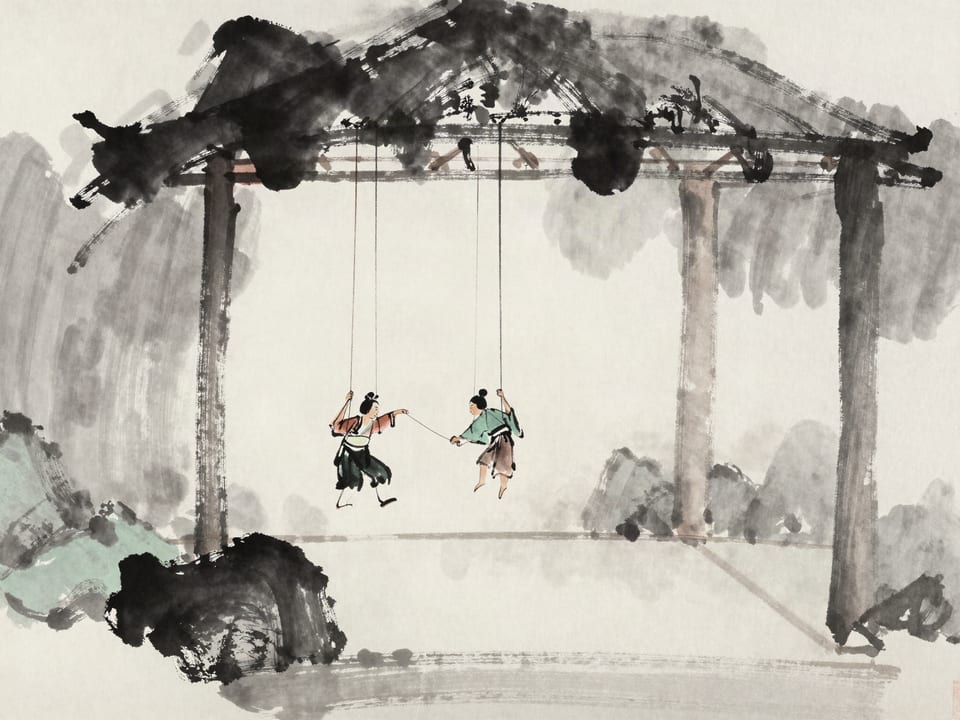
Distant authority meddling in detail cripples the force; trust the commander with the ground truth.
Chapter 3 names the ruler’s own failure modes: hobbling the army, governing it like a kingdom, employing officers without discrimination. After defending the general as bulwark, Sun Tzu turns to the sovereign’s three ways to ruin him from above. It is one of the oldest statements in literature of what managers now call the cost of meddling — distance plus authority minus accountability.
A founder retains veto over every design detail while also running fundraising and sales. The design team learns to wait; the founder grows angrier at the waiting; decisions queue behind his calendar. His summary — "nothing moves unless I push" — is accurate, and is the problem. The army was hobbled by its sovereign, then blamed for limping.
The verse is not a brief for absent leadership — Sun Tzu assigns the ruler vital work in this same chapter, and the five victories end with a commander "not interfered with," implying interference was the default danger. The line to hold is the one between aim and method: set the objective, resource it, inspect it; do not reach through it to move the pieces yourself.