“The clever combatant looks to the effect of combined energy, and does not require too much from individuals.”
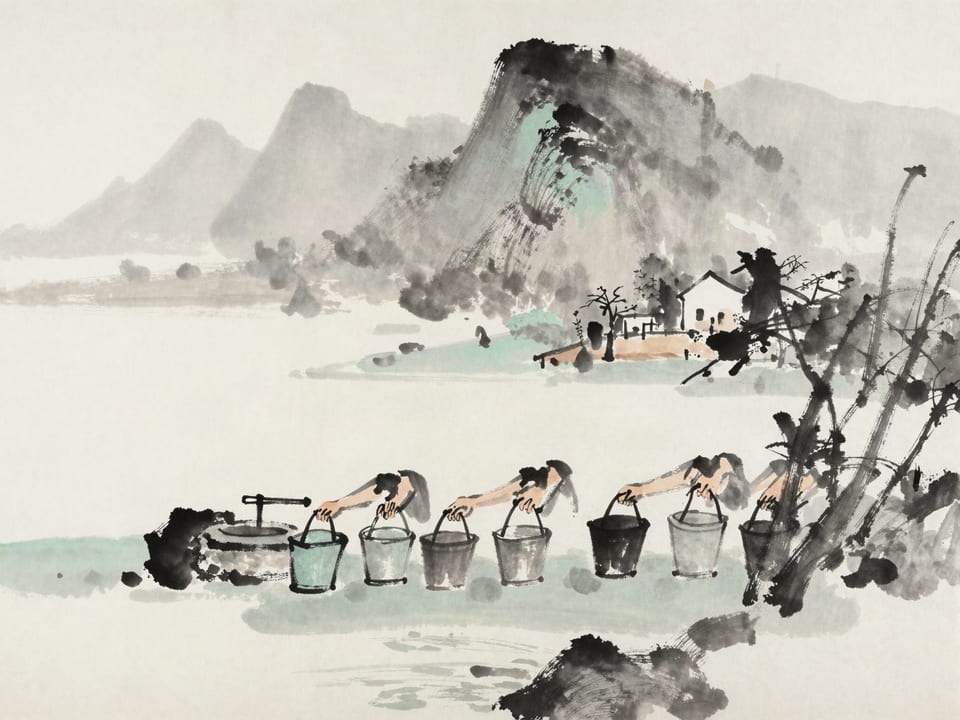
Systems of energy beat reliance on stars; arrange the parts so the whole delivers.
Chapter 5 lands its organizational thesis: the clever combatant looks to the effect of combined energy, and does not require too much from individuals. After chapters of terrain and timing, Sun Tzu names what an army actually is — not a collection of heroes but an arrangement whose output exceeds the sum. The verse is also a hiring doctrine: if your plan requires eleven superstars, it is not a plan.
Two rescue squads train for the same floods. One staffs legends — the strongest swimmers, the calmest medics — and coordinates by everyone’s individual judgment. The other drills a rotation: tethered pairs, hand signals, a boat cycle that never stops moving. In the first real flood, the legends each attempt three saves and manage two; the rotation puts forty people ashore by lunch. Combined energy is not the talent; it is the arrangement.
Not requiring too much from individuals is not tolerating mediocrity — Sun Tzu’s armies drilled relentlessly. The verse targets the dependency, not the standard: systems should make ordinary performance extraordinary, not excuse weak performance as systemic. The test of combined energy is whether removing any single person degrades the machine gracefully or catastrophically.