“One who is skilful at keeping the enemy on the move maintains deceitful appearances, according to which the enemy will act.”
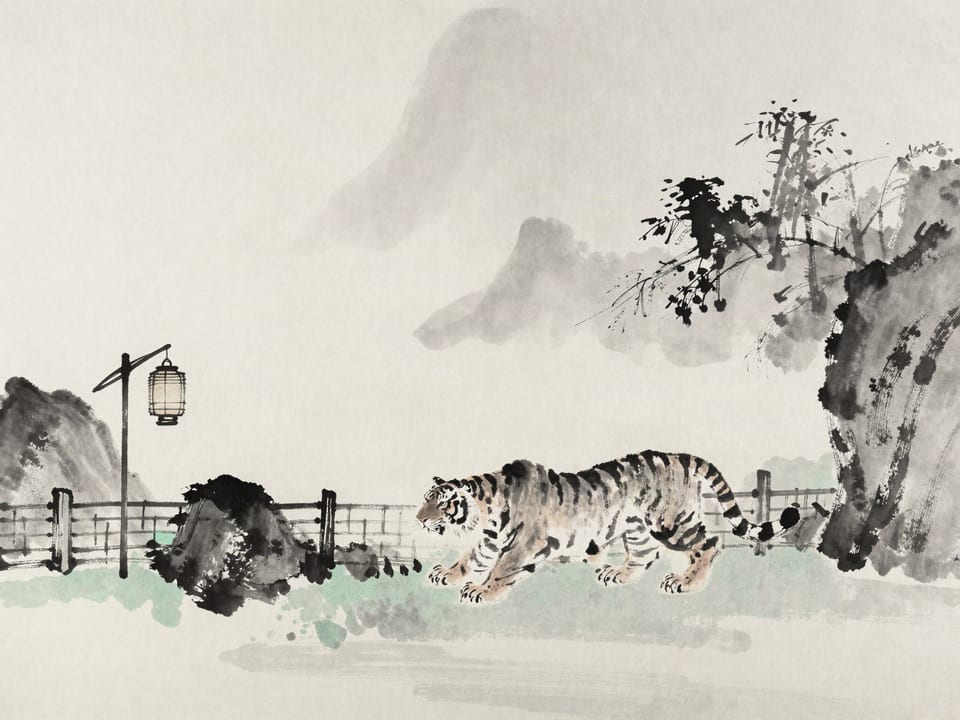
Control the opponent by the appearances you project; he will move to counter what you pretend.
Chapter 5 names the payoff of maintained appearances: the skilful keeper of the enemy on the move maintains deceitful appearances according to which the enemy will act. Motion is the objective — not deception for its own sake. A false signal that produces no movement is wasted effort; the entire point is that the other side expends its energy answering your theater.
A cloud provider announces a conference talk about entering a vertical it has no intention of serving. Two rivals redirect quarters of roadmap to "defend" it — pricing reviews, feature sprints, analyst briefings. The provider never ships; it does not need to. Its real roadmap, undisturbed in an adjacent vertical, lands eighteen months ahead because two competitors spent their best engineers fighting a ghost.
Keeping the enemy moving has a shelf life — enemies learn, and theater discovered is theater reversed, with interest. Sun Tzu’s own standard is economical: the appearances must cost you less than the motion costs them. A misdirection habit that consumes your own roadmap to maintain is the strategy eating itself.