“If you order forced marches without halting, covering double the distance, the leaders of all your divisions will fall into the enemy's hands.”
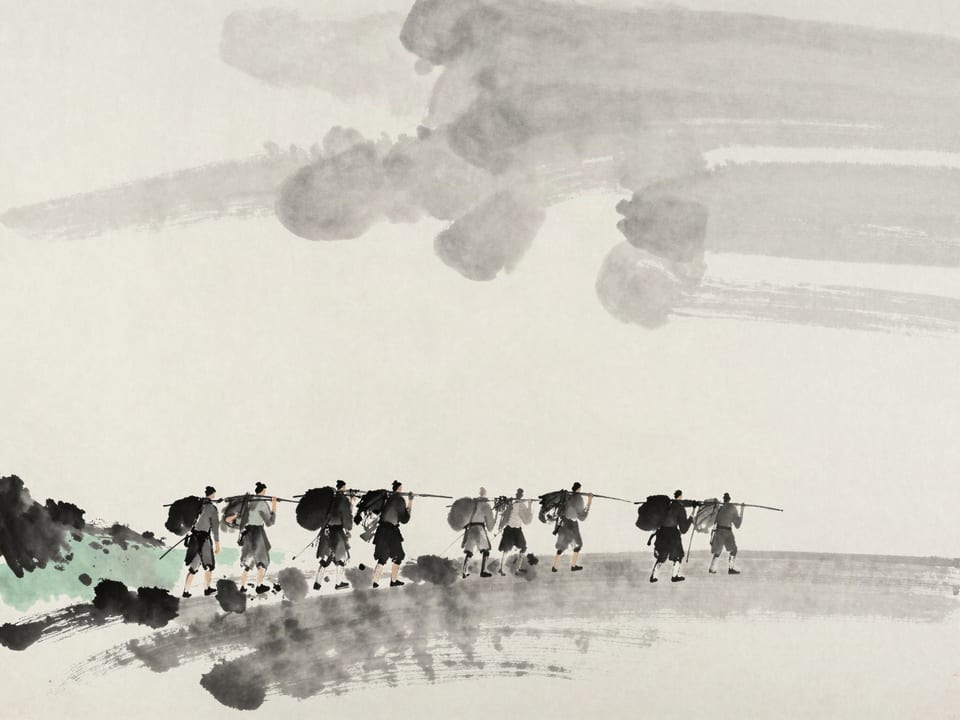
Over-speed destroys the structure; pushing too hard loses the very leaders who matter.
Chapter 7 prices the forced march precisely: order double-distance marches without halting, and the leaders of all your divisions will fall into the enemy’s hands. Not the stragglers — the leaders. Sun Tzu notices that unsustainable pace does not wear evenly; it claims exactly the people carrying the most, because they are the ones absorbing everyone else’s shortfall.
A scale-up doubles revenue in a year on a permanent "sprint." The casualties arrive in a precise order: first the staff engineers who fixed everything at 2 a.m., then the managers who absorbed every escalation, then the directors who held the roadmap together with their bare hands. Two years later the company is larger and profoundly dumber — the march completed, the leadership fallen into someone else’s hands, meaning a competitor’s.
Halting is not slowness — armies that halt still march; the verse forbids specific double-distance greed, not pace itself. There are genuine emergencies that justify a forced march or two. The misreading is institutionalizing the emergency: calling the unsustainable pace "our standard" until the leaders fall, then blaming them for falling.