“Manœuvring with an army is advantageous; with an undisciplined multitude, most dangerous.”
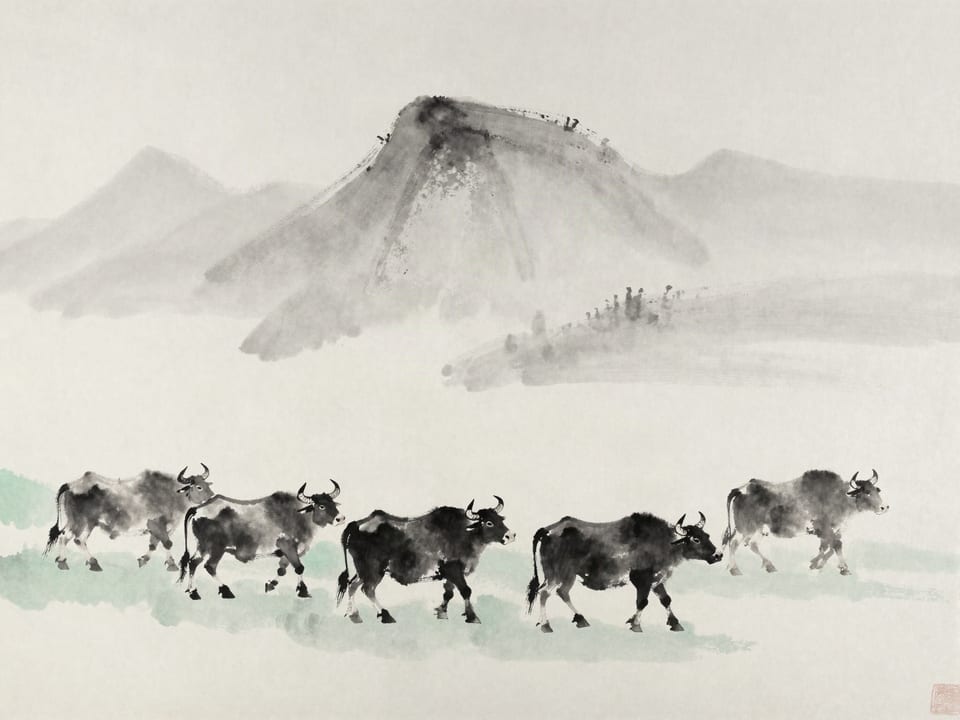
Movement without order is ruin; only a disciplined force gains from maneuver, so build order first.
Chapter 7 issues its first caution: manoeuvring with an army is advantageous; with an undisciplined multitude, most dangerous. The same motion that multiplies a trained force destroys an untrained one — columns tangle, order dissolves, and the force arrives at the enemy as a mob. Sun Tzu’s sequencing is strict: discipline is not one improvement among many; it is the precondition for every maneuver this chapter teaches.
A startup discovers enterprise sales and attempts the classic maneuver — a pivot of the whole company toward the new motion. But the team has never run a sales discipline: no qualification standards, no forecast hygiene, no definition of a stage. The motion scatters them; a year later the board minutes call it "a pivot that didn’t work." The pivot was fine. The multitude was undisciplined, and maneuvering made it worse.
Discipline before maneuver does not mean bureaucracy before movement — Sun Tzu’s drills exist so the army can move faster, not slower. The test is minimum viable order: can your force change direction without disintegrating? Enough standardization to turn is the bar; perfect process is its own kind of immobility.