“It is a military axiom not to advance uphill against the enemy, nor to oppose him when he comes downhill.”
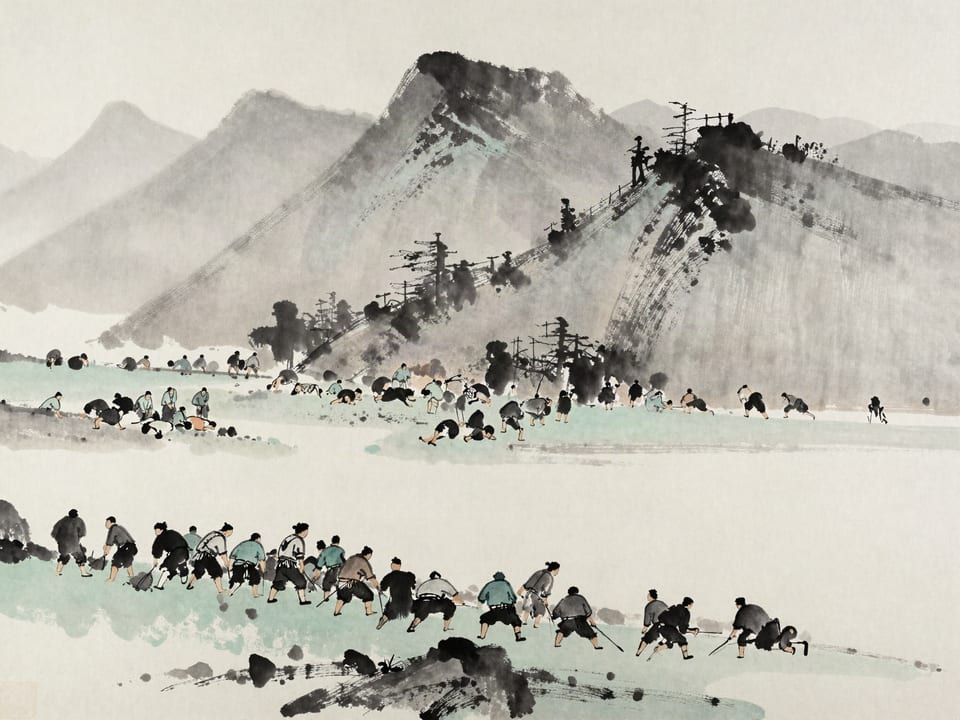
Do not take the unfavorable gradient; let the opponent come to you on the low ground.
Chapter 7’s terrain cautions open with an axiom: do not advance uphill against the enemy, nor oppose him when he comes downhill. The gradient is not scenery — it is a standing multiplier on every unit of force either side spends. Sun Tzu’s counsel is to treat slopes as automatic allies or automatic enemies, and to never volunteer for the second kind.
A regional player challenges the market leader precisely where the leader is strongest — its flagship product, on its home platform, at its best price point. Every point of market share costs three times the leader’s defensive cost: that is the hill. The same challenger later lets a disruptive format come downhill toward the leader — building where the giant’s margins forbid it from following — and meets the competition on level ground of its own choosing.
Gradient is structural, not emotional — "uphill" does not mean hard feelings or steep odds generally; it means contests where the ground multiplies the other side’s strength. The remedy is not passivity but repositioning: refuse the slope, occupy the valley, let gravity fight for you. Armies that attack hills to prove something are purchasing reputation at strategy’s expense.