“Success in warfare is gained by carefully accommodating ourselves to the enemy's purpose.”
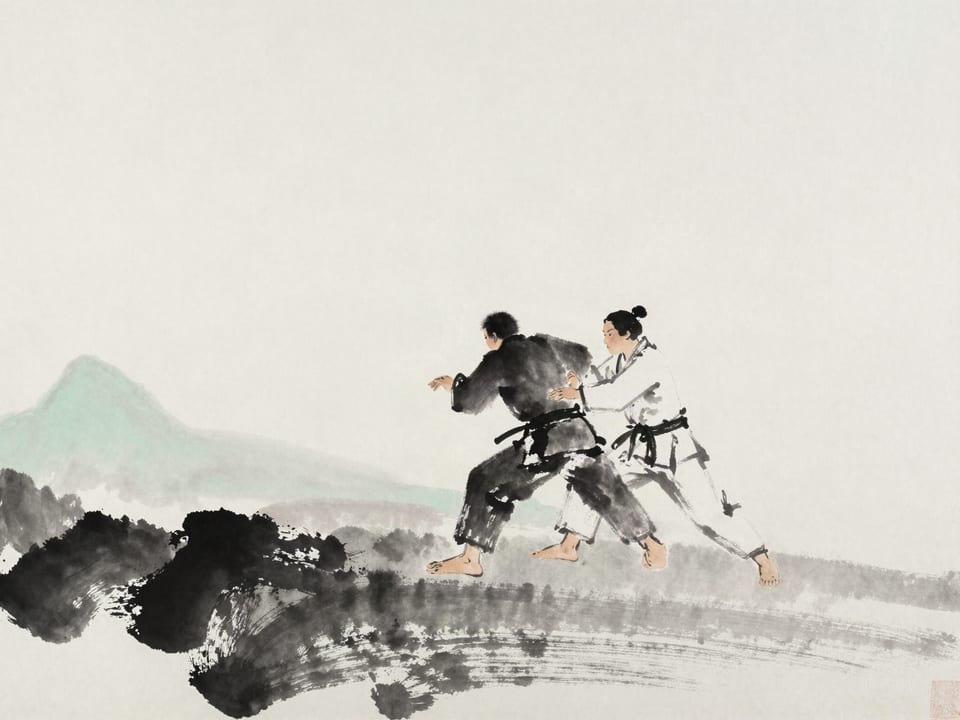
Victory comes from fitting your action to what the opponent is actually trying to do; read his purpose and move with it.
Chapter 11 shifts from ground to opponent: success in warfare is gained by carefully accommodating ourselves to the enemy’s purpose. Accommodating — not opposing. The verse completes the book’s deepest reframe: the enemy is not an obstacle to bash but a moving system to be read, and victory means fitting your actions to what he is actually trying to do, stated aims aside.
A giant announces a price war — the stated aim — and the market braces for a margins fight. One smaller rival reads the actual purpose: the giant needs churn numbers down before its earnings call, any way possible. Instead of matching prices (fighting the stated aim), the rival offers the giant’s at-risk customers a free "pause" option — freeze, don’t switch — sapping the urgency the giant needed to exploit. The price war evaporates in a month; the purpose, not the announcement, had been the target all along.
Accommodating purpose is not appeasing it — the rival’s pause-offer defeated the giant’s purpose while serving its customers better. The verse asks for accuracy about what the other side is actually optimizing, then aims your move there. Fighting the stated aim is how strong players lose to accurate ones; the map they are contesting was drawn for their benefit.