“Throw your soldiers into positions whence there is no escape, and they will prefer death to flight.”
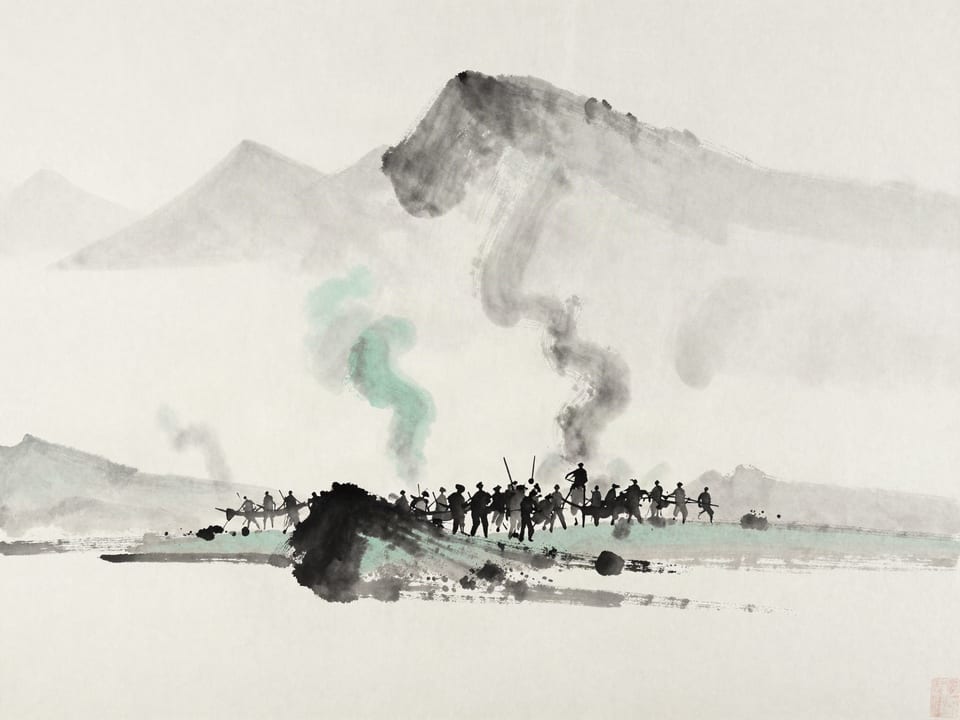
When retreat is impossible, the will to stand appears; constraint can forge resolve.
Chapter 11’s most infamous doctrine: throw your soldiers into positions whence there is no escape, and they will prefer death to flight. Read as command practice, it is the management of the team’s exit-architecture — the deliberate removal of retreat options so that the energy spent contemplating withdrawal is spent on the fight instead. The verse is the ancestor of every burned fleet in history, and it deserves its controversy.
Two startups raise the same round. One treats it as a buffer — "if this doesn’t work, we have two years to figure something out" — and option-preservation quietly becomes the strategy: partial products, hedged bets, nobody all-in. The other publicly commits the entire round to a single bet with a hard 18-month wall: no plan B communicated, hiring done as if the wall is real. The first shipped four half-things; the second shipped one thing that worked, and the market never learned how close the wall came.
The verse licenses closing your own exits — not gambling other people’s survival, which is how it gets abused. Sun Tzu’s general on no-escape ground has already made the strategic judgment that the fight is winnable; the burning removes hesitation, not judgment. A leader who torches the boats to force commitment to an unwinnable fight has not read the chapter — he has just destroyed the fleet.