“Soldiers when in desperate straits lose the sense of fear; when there is no place of refuge they stand firm.”
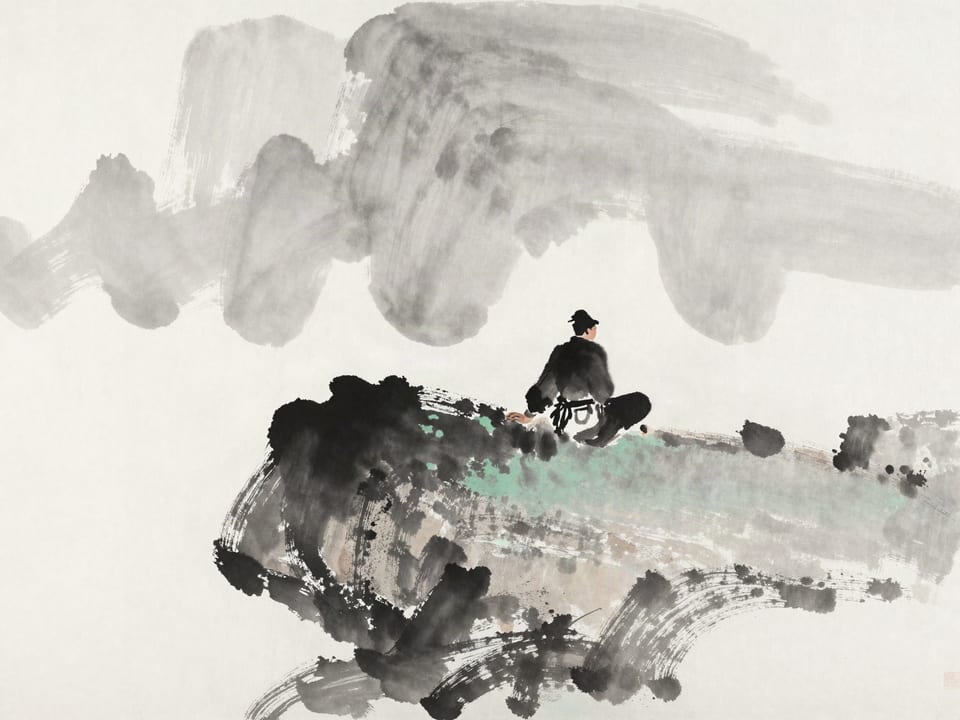
Cut off from safety, men stop fearing and simply stand; crisis can create steadiness.
Chapter 11 reports the psychology from the ground: soldiers in desperate straits lose the sense of fear; where there is no place of refuge, they stand firm. The observation inverts the manager’s instinct — that people are steadiest when made safest. Sun Tzu found the opposite in the field: safety permits wavering, and the removal of refuge produces a strange, durable calm.
A studio head absorbs every client escalation personally, believing his shielding is what keeps the young designers confident. What it actually keeps them is inexperienced: every crisis belongs to him, so none of them ever discovers they can survive one. A harsher year — when he is hospitalized for a month and the escalations land on the team directly — produces the steadiest quarter in company history. The refuge was the wobble.
Removing refuge is not manufacturing panic — the verse’s soldiers lose fear, not competence, and the steady team had training all along. What died in the hospital month was the escalation-shield, not the support system. The discipline is refusing to be the permanent buffer between your people and difficulty, while keeping them equipped for it.