“The skillful tactician may be likened to the shuai-jan snake: strike its head and the tail attacks; strike its tail and the head attacks; strike the middle and both attack.”
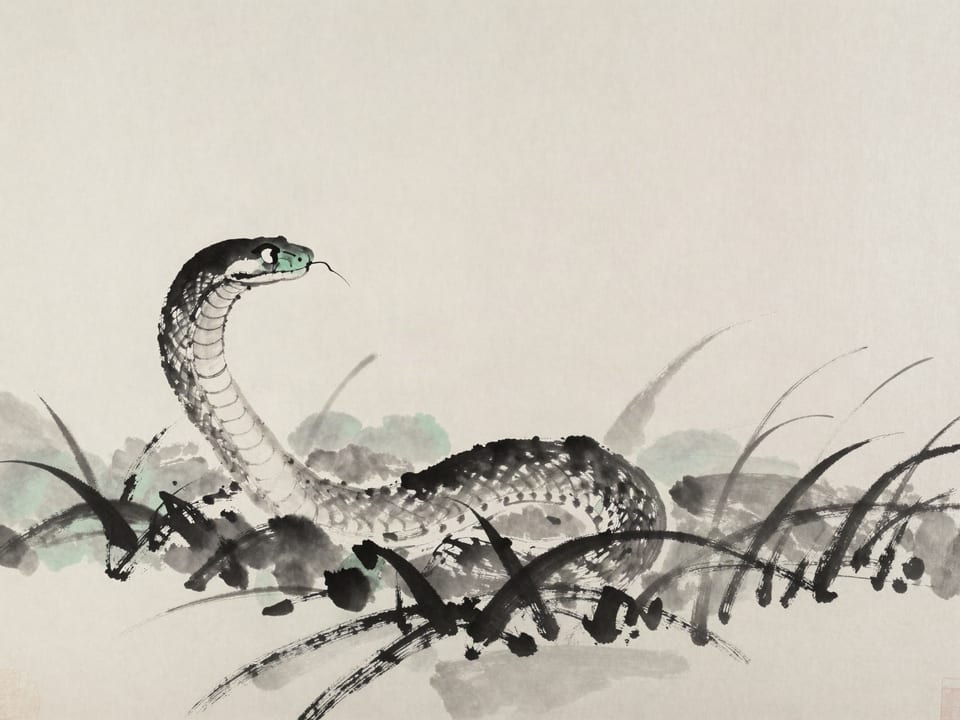
A well-linked force answers any blow from every part; unity is the tactical ideal.
Chapter 11 supplies its unity metaphor: the skillful tactician is the shuai-jan snake — strike its head and the tail attacks; strike its tail and the head attacks; strike the middle and both attack. The snake’s property is not strength but linkage: every part responds to whatever part is struck. Sun Tzu offers it as the design spec for an organization at war.
A hotel group runs each property as its own kingdom — so when one location gets hammered by a viral complaint, the others watch from their silos, and corporate communications drafts for a day. A rival is linked like the snake: the complaint trends, and within the hour the affected property has acted, sister properties have offered displaced guests rooms, and loyalty credits are issued chain-wide. Same size, same brand book; only the linkage differs, and it decides which hit becomes a story.
Linkage is not centralization — the snake’s tail does not ask the head for permission to attack; it attacks because it is the same animal. The organizational version is shared nerve: information travels by design, and response authority lives where the strike lands. Companies that centralize every reaction have built a snake that telegraphs the bite to headquarters first, which is a slower animal entirely.