“When these five kinds of spy are all at work, none can discover the secret system. This is called divine manipulation of the threads.”
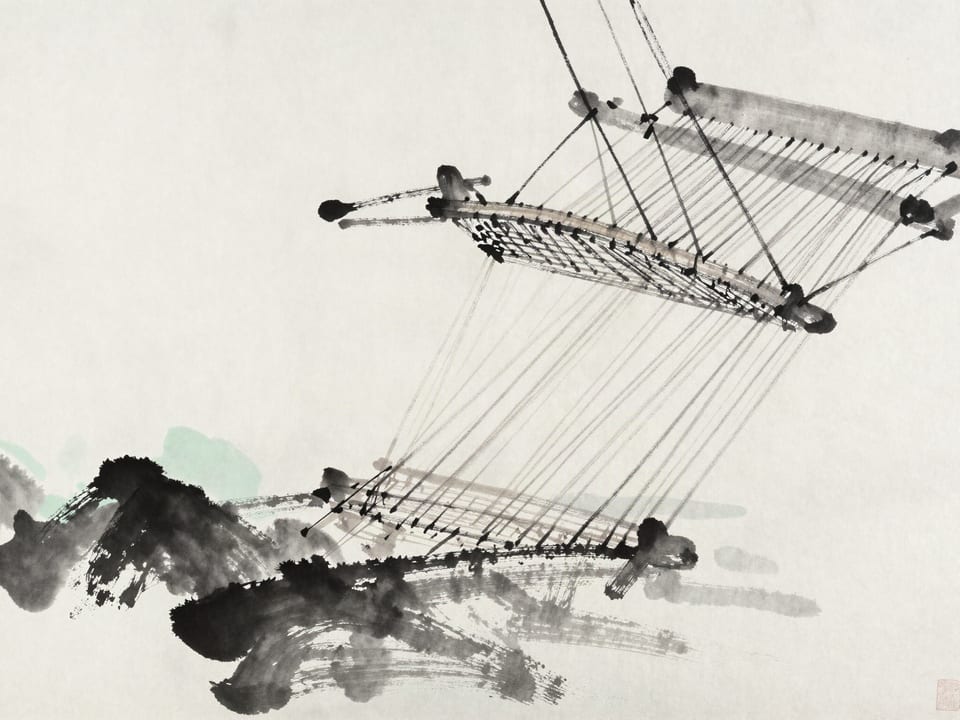
A full spy network is itself invisible to the enemy; integration creates concealment.
Chapter 13 names its mastery: when the five kinds of spy are all at work, none can discover the secret system — divine manipulation of the threads. The property is counterintuitive: more sources, less visible. A single informant leaves a single trail; a woven system hides its pattern in its plurality. Concealment of the system itself, not just its outputs, is what the verse calls divine.
A company’s competitive intelligence is one consultant — excellent, expensive, and, it turns out, identifiable: the competitor reverse-engineered his client list years ago and calibrated everything he heard accordingly. A rival’s intelligence is eleven ordinary relationships — suppliers, a standards-committee contact, two former employees, industry forums — none individually remarkable, and no thread pullable enough to reveal the others. When the competitor sought the rival’s "system," there was nothing shaped like one to find.
Divine manipulation is not deception of your own side — the sovereign and general know the system; it is hidden from the opponent, per the chapter’s whole design. And the concealment serves function, not aesthetics: a discovered intelligence system is worse than none, because every input becomes a channel the enemy controls. Weave first, then act.